Struggling with Digestive Issues This Holiday Season?
Surprising Ways Physical Therapy Can Help Address Them
Do you ever notice a spike in digestive problems this time of year? Bloating, constipation, acid reflux, or mysterious abdominal pain can all pull you out of the holiday spirit.
If you’re like most people, you might be tempted to blame rich food and seasonal treats. And while those things can certainly play a role in digestive problems, they don’t necessarily show the whole picture. In fact, holiday stress and its impact on your body may be a bigger culprit than you realize!
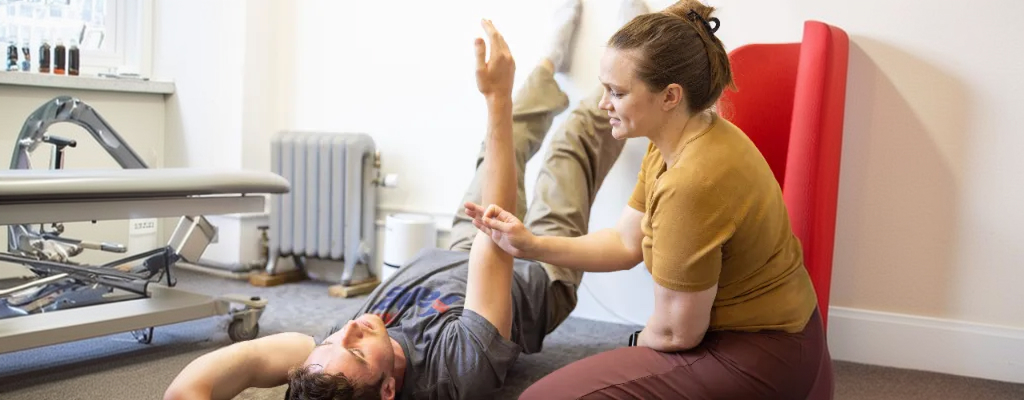
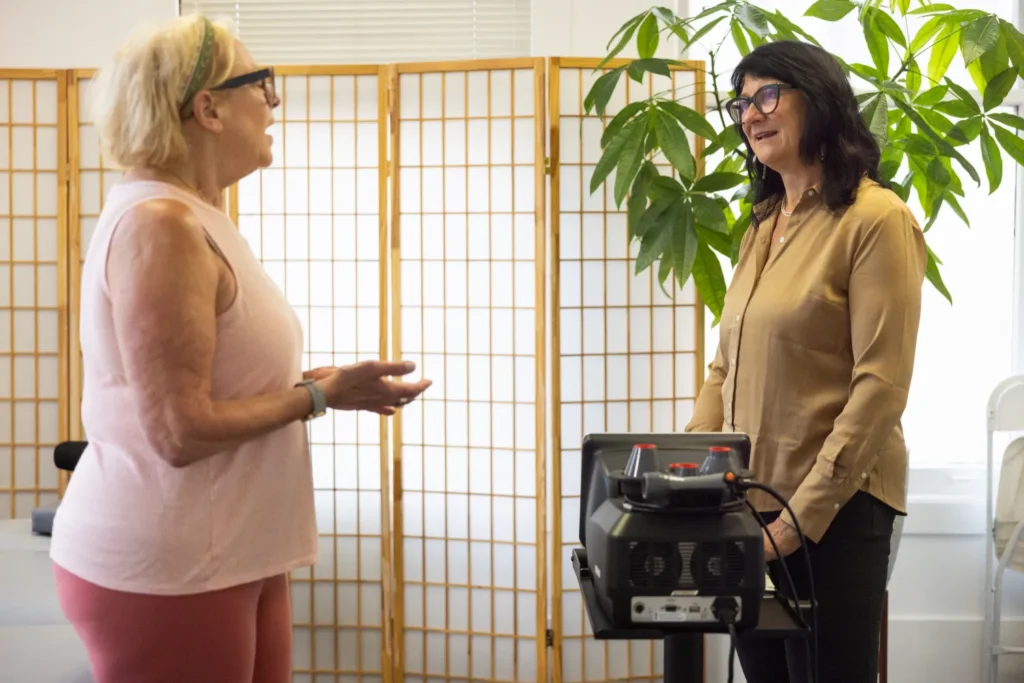
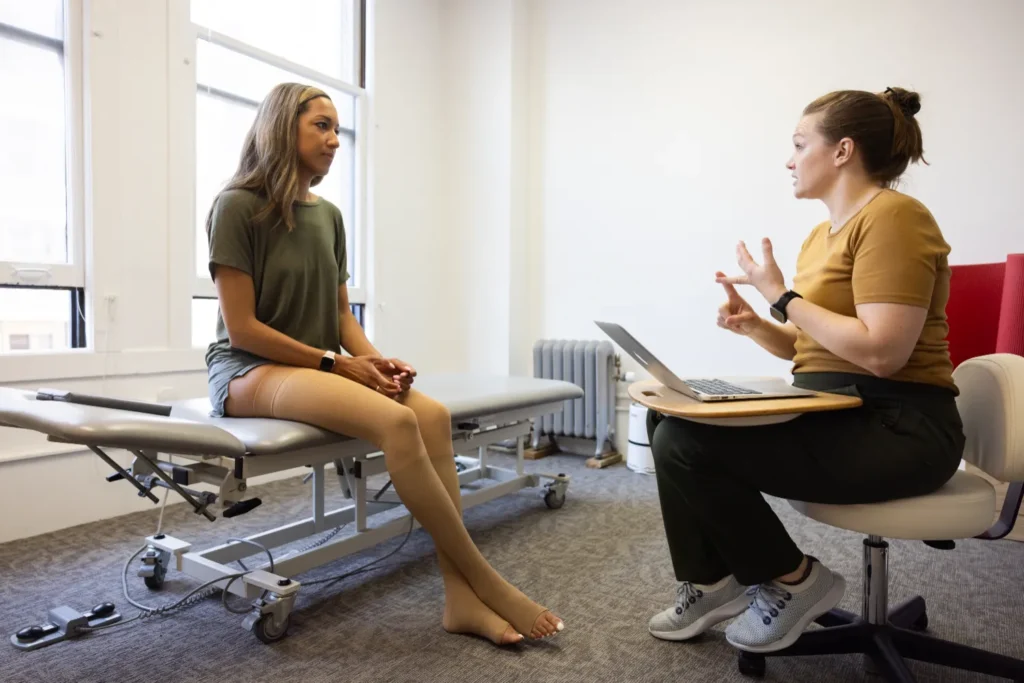
Fortunately, the team at Rising Sun Physical Therapy is here to help you get to the bottom of things. You might be surprised to learn that physical therapy can play a vital role in restoring digestive function, but it’s true. Our therapists can help you understand how your body’s muscles, nerves, and movement patterns interact with digestion — and create a customized plan to help the entire system work together again.

Stress and Digestion: What You Need to Know
Stress and digestive issues often go hand-in-hand because of the way stress can trigger the body’s fight or flight response. In this state, your body redirects blood away from the stomach and intestines and towards the muscles and vital organs needed for action.
While this works great if you’re running from an immediate threat, it’s not so great when you’re experiencing the kind of persistent, low-level stress that often accompanies the holiday season. Over time, this shift can begin to slow digestion, disrupting the gut’s natural rhythm and causing uncomfortable symptoms such as heartburn, constipation, diarrhea, or changes in appetite.
Chronic stress can also tighten the diaphragm, the large muscle located just below your lungs, which helps with both breathing and digestion.
A tense diaphragm can compress internal organs, restrict oxygen flow, and reduce digestion efficiency, which just worsens your digestive problems.
That’s why our care often begins by addressing how you breathe, move, and hold tension in your body.
Exercise of the Month
Bird Dog
(Core, Lower Back, Glutes)
Start on your hands and knees on a mat or table. Brace your abdominals and keep your back flat. Slowly raise one arm straight out in front of you while simultaneously raising your opposite leg back behind you until both limbs are straight and parallel with the ground. Lower them back down and repeat with your other limbs. 3 Sets, 10 Reps.
Physical Therapy’s Role in Easing Stress and Digestive Issues
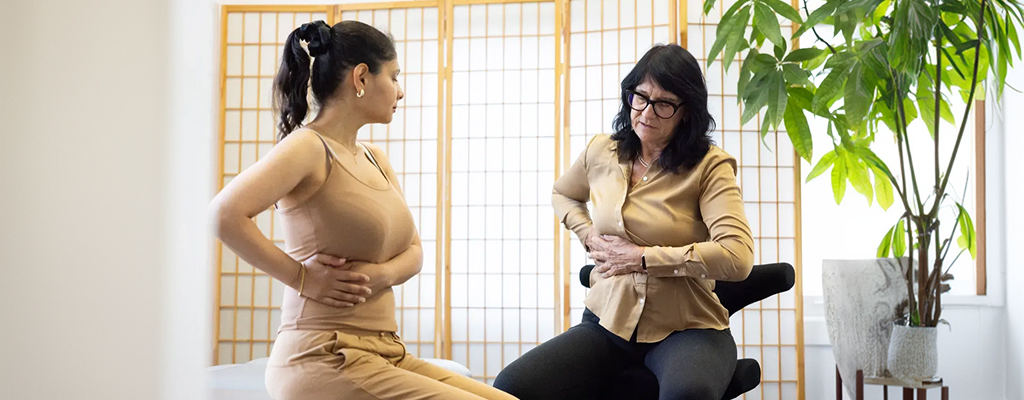
Our first order of business is to evaluate how posture, breathing, and muscle coordination impact your organ function. Once we understand the underlying factors contributing to your digestive problems, we can create a plan to address them directly.
Some of the factors we regularly see at our clinic include:
- Restricted abdominal or pelvic movement from past surgeries or injury
- Weak core and pelvic muscles that affect pressure in the abdomen
- Poor breathing mechanics that reduce the diaphragm’s mobility
- Scar tissue or fascial tension limiting blood and lymph flow
Treatment Techniques to Help You Find Relief
Our clinic combines traditional physical therapy with integrative methods for whole-body healing, including stress management. Here are some of the techniques we might suggest:

Manual Therapy
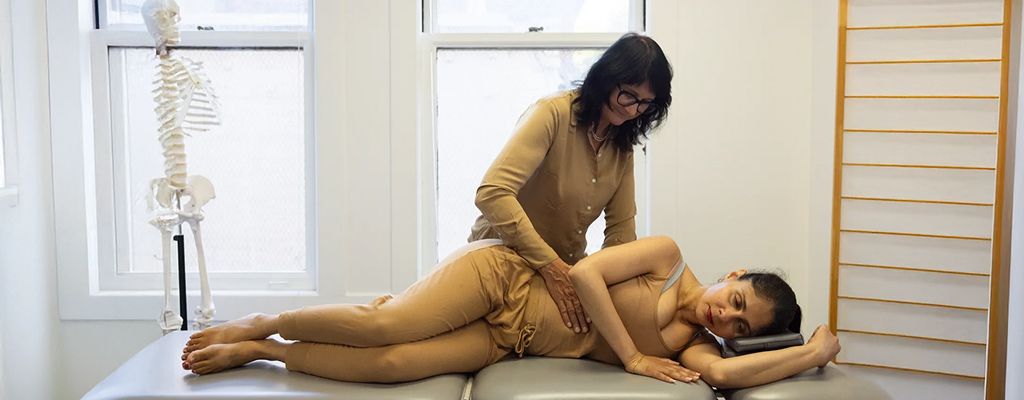
- Targeted hands-on techniques to relax tight muscles, release adhesions, and ease pain in the abdomen, back, or pelvic area.
Visceral Manipulation
- Focused touch that helps organs move freely and glide naturally within the body. This can help ease tension that contributes to bloating, cramping, or constipation.
Diaphragmatic Breathing Training
- Guided exercises that restore calm breathing, lower stress hormones, and improve digestion through rhythmic pressure changes in the abdomen.
Pelvic Floor Therapy
- Strengthening and coordination work for muscles that control bowel movements and support abdominal organs.
Postural Retraining
- Adjusting how you sit and stand to improve organ alignment and blood flow.
Craniosacral Therapy
- Light-touch techniques that calm the nervous system and reduce internal tension, which often aggravates digestive symptoms.
Somatic Pilates
- Pilates can strengthen your core and improve mobility, but it also boosts body awareness, which can help you relax and reduce stress.
Why Our Approach Works
Your body’s muscles, nerves, and organs are deeply connected, which is why digestive issues are rarely isolated to one system. At Rising Sun Physical Therapy, we work closely with you to help restore that balance.
Our goal isn’t to mask your symptoms. Instead, we want to help your body remember how to move and function well again. If the holidays have you struggling with stress-related gut tension, our goal is to help you feel comfortable, confident, and capable in your body.
Sources: https://journals.lww.com/jwphpt/abstract/2022/10000/the_rehabilitation_of_individuals_with.4.aspx, https://www.sciencedirect.com/science/article/pii/S2387020625001184
Take the First Step Toward Feeling Better
Don’t let digestive issues keep you from holiday cheer! Schedule an evaluation today to learn more about our compassionate, whole-body approach to care. Book your appointment on our website or by emailing us at support@risingsunphysicaltherapy.com. No matter your needs, we’ll help you restore ease, balance, and lasting wellness.

Aurras Transformation — The Moving Body Map (6-Week Series)
Start the year with true body-centered self-care — movement, breath, and awareness that support your whole system. Movement is one of the most effective ways to settle the nervous system — and when the nervous system settles, digestion often follows.
This 6-week series is led by Bettina Neumann, founder of Aurras Transformation, physical therapist at Rising Sun Physical Therapy, and 5Rhythms® movement educator. Designed for all bodies and no experience needed, this series offers a supportive, dynamic way to reduce stress, support digestion, and reconnect with your body as you step into the new year.
Early-bird registration is now open — join the full 6-week series: bit.ly/4q7dNUT
Tips for Feeling Grounded During the Holidays
At Rising Sun Physical Therapy, we recognize that long-term results occur both within and outside the clinic. As part of your comprehensive treatment plan, we can guide you through mindfulness and calming techniques to help your body and mind remain steady throughout the holiday season (and beyond).
Here are some of our team’s favorite stress-relieving tips:
Start with the Breath
Breathing affects every system in the body. Shallow breathing keeps the nervous system on alert, while deep, controlled breathing signals safety and calm. If you’re trapped in a moment of high stress, a simple deep breathing exercise can help.
How to Do It
- Sit or stand tall with one hand on your stomach.
- Inhale slowly through your nose, letting your belly expand.
- Hold your breath for four counts, then exhale gently through your mouth.
- Repeat for one minute.
Move with Intention
Gentle movement helps release tension before it builds into pain or fatigue. You don’t necessarily need a full workout. Even brief, mindful activities work well.
Suggestions to Get You Started
- Every few hours, stretch your neck, shoulders, and spine.
- Take a short walk after meals to support circulation and digestion.
- Move through a few rounds of sun or moon salutations to reconnect breath and body awareness.
Calm Your Mind, Support Your Body
Regular mindfulness practice helps train your nervous system to recover from stress faster. Even a few minutes a day can improve sleep and focus.
Suggestions to Get You Started
- Set aside time each day to darken all your screens and spend a few moments in quiet reflection.
- Keep a gratitude journal where you can record things you’re grateful for.
- Try a guided meditation before bed.
Happy Holidays from Rising Sun Physical Therapy
These small habits can go a long way toward reducing tension, improving digestion, and supporting overall balance, allowing you to thrive during the holiday season. And if you’d like more personalized guidance, our team is always happy to help. Schedule an appointment online to get started.

Cinnamon Apple Bake
A warm, soothing, digestive-friendly bake — apples for gut support, cinnamon for warmth, cranberries for brightness. Light, comforting, and perfect for winter evenings.
Ingredients
- 4 apples, sliced
- 1 cup fresh cranberries
- 1 tablespoon maple syrup
- 1 teaspoon cinnamon
- 1 teaspoon vanilla
- Pinch of nutmeg
- Small handful of chopped walnuts or pecans
- Optional: a squeeze of lemon
Steps
- Heat the oven to 375.
- Toss the apple slices and cranberries in a bowl with maple syrup, cinnamon, vanilla, nutmeg, and lemon if using.
- Spread the mixture in a small baking dish.
- Sprinkle nuts on top.
- Bake for about 25 minutes until the apples are soft and the cranberries burst.