
Megan (not her real name) was 35 when she beat breast cancer. After a course of radiation therapy and surgical intervention, her cancer was gone. Unfortunately, she began to show early signs of a new condition: lymphedema.
Lymphedema is a disorder of the lymphatic system that causes a backup of lymphatic fluid in the upper or lower extremities. Megan developed lymphedema in her arm due to the impact her cancer treatment had on her lymph nodes.
Fortunately, Megan knew that she was at an increased risk of lymphedema and had been diligent about checking for early symptoms of the condition. When she noticed an unusual tightness in her arm, she immediately booked an appointment with Rising Sun Physical Therapy and began early treatment, which prevented her condition from progressing into the more advanced stages.
Living with lymphedema can be challenging. However, you can take steps to reduce your risk of developing it. Even if you do begin to show signs, early intervention can dramatically improve your outcomes.
The physical therapists at Rising Sun Physical Therapy have extensive experience working with lymphedema patients and are highly recommended by medical providers. If you suspect you have symptoms, schedule an appointment with us today.
But also, if you or someone you know is undergoing cancer treatment, spread the word or forward this newsletter to them. It’s essential for those at risk to be aware of the importance of early intervention and the supportive care available at our clinic.
Recognizing The Early Symptoms of Lymphedema
Your lymphatic system is a bit like your body’s sewage system. Your cells create waste fluid called lymph, which your lymphatic system circulates into your lymph nodes, where it can be processed.
When someone develops lymphedema, that waste fluid builds up in their lymphatic vessels, typically in the arms or legs. It’s crucial that you understand lymphedema’s early signs, which are mild and often easy to overlook.
If you notice any of the following, schedule an appointment with us right away. The earlier you can begin treating your lymphedema, the more likely it is that you may slow and even reverse its progression:
- A feeling of heaviness in one of your legs or arms or around the trunk of your body
- Difficulty fitting into rings or watches
- Indentations in your skin after wearing socks
While these small signs may not seem alarming in and of themselves, lymphedema is a progressive condition that will worsen if left untreated. It’s much better to be safe than sorry, and early intervention is essential in effectively managing lymphedema.
Understanding Advanced Lymphedema
As lymphedema progresses, your symptoms will worsen. If left untreated, the swelling in your affected limb will become much more pronounced, leaving the limb heavy and thick. This restricts your overall mobility and affects your comfort and quality of life.
The good news is that you can avoid reaching this stage by beginning treatment early on. Watch out for mild symptoms, and if you’ve recently undergone cancer treatment, schedule an appointment with the Rising Sun Physical Therapy team for an early assessment and to discuss ways to minimize your risk.
How Does Physical Therapy Address Lymphedema?
We treat lymphedema through a blend of different interventions, including the following:
Lymphatic Therapy
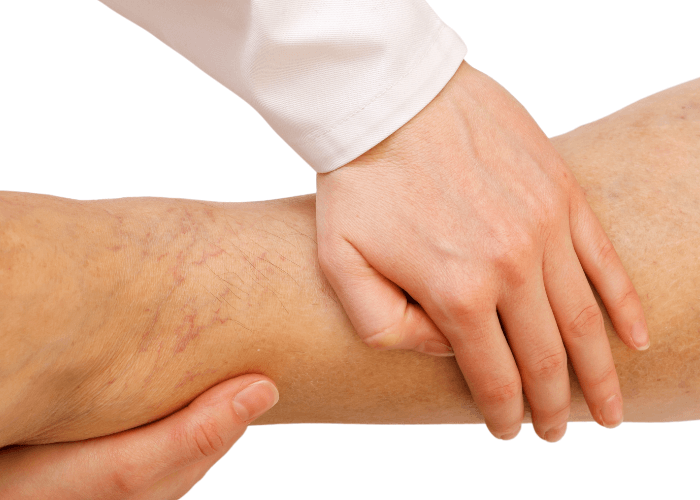
Also known as lymphatic drainage, this technique encourages lymph to move through the lymphatic vessels, decreasing swelling and helping the system work properly. Because the lymphatic vessels are located just beneath the skin, this process is extremely gentle, with many patients reporting that they barely feel the therapist’s touch.
Personalized Strategies and Techniques
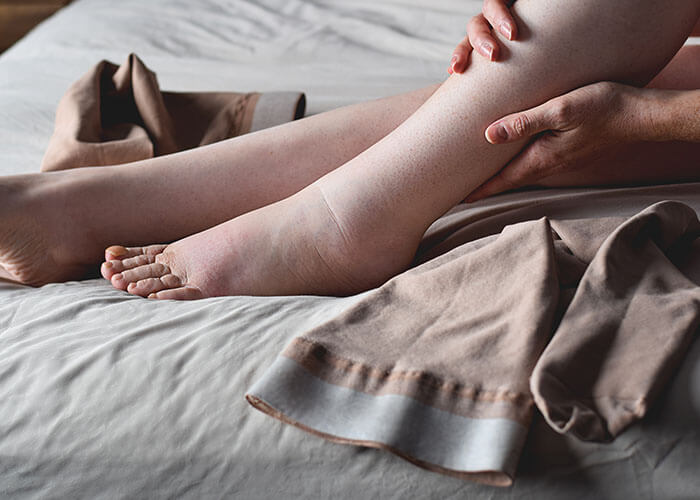
Managing lymphedema effectively requires tailored self-management strategies, such as deep breathing techniques and limb elevation, both of which stimulate lymph flow and reduce swelling. Our therapists will help you find the right strategies for your specific needs.
Compression Garments
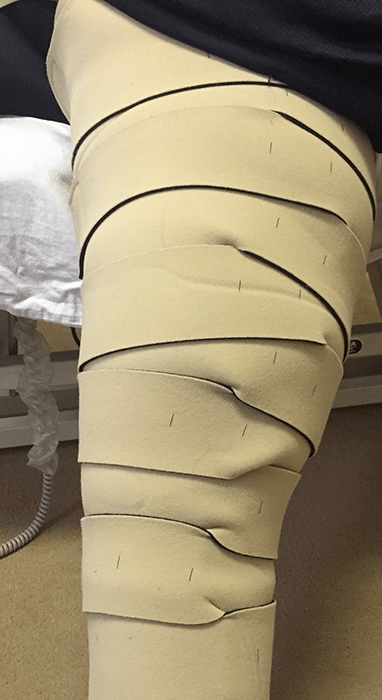
Compression garments are specialized sleeves, stockings, or other garments that apply pressure to the affected area and help to prevent lymph buildup. We can help you select the right garment for your needs, ensure it fits properly, and provide guidance on using it correctly.

Therapeutic Exercise
Gentle aerobic exercise, such as walking, can help reduce your discomfort and improve your overall mobility while also encouraging lymphatic drainage. However, everyone has different exercise needs, which is why consulting with one of our therapists is so important. We’ll help you determine the appropriate amount and intensity of exercise tailored to your needs and condition.
Get Started with Lymphedema Treatment Today
Whether you’re experiencing mild or more severe lymphedema symptoms, it’s never too late to be proactive about your health. The sooner you begin treatment at Rising Sun Physical Therapy, the better your overall outcomes.
Let’s Get You Better ASAP!
Reach out to us today to schedule an initial assessment and learn more about your treatment options.
Understanding the Difference: Lipedema vs Lymphedema
If you’ve ever confused lipedema and lymphedema, we get it: the words sound similar, and both conditions involve unusual swelling in the limbs. However, they are distinct conditions with different causes, symptoms, and treatments.
Today, we want to clear up any confusion, ensuring you get the care you need!
Lipedema
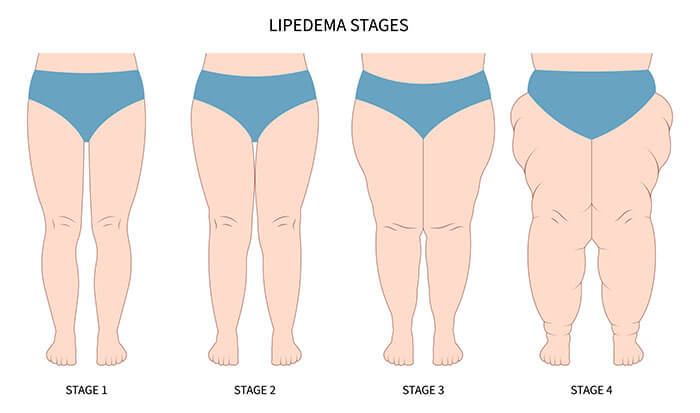
Lipedema is a chronic buildup of adipose under the skin in the lower extremities, typically the legs and buttocks (although it occasionally can build up in the arms). Unlike ordinary fat, lipedema doesn’t respond to diet and exercise. It is typically bilateral, meaning it appears on both sides of the body and common symptoms include bumps under the skin, pain, swelling, easy bruising, and a heavy feeling in the legs.
Lipedema primarily affects women. It often starts at the onset of puberty or during pregnancy.
What Causes Lipedema?
The underlying cause of lipedema is unclear, although it may have a genetic component or be related to hormonal changes in some way.
How Is It Treated?
Because lipedema doesn’t have a cure, treatment focuses on managing symptoms and preventing complications through compression garments, diet, and exercise.
Lymphedema
Lymphedema is a disorder of the lymphatic system that causes a buildup of lymphatic fluid due to poor lymphatic drainage. It can affect the legs, arms, trunk, head, neck, or genitalia and typically only occurs on one side of the body (although not always).
If left untreated, lymphedema causes swelling in the affected area, creating discomfort and impacting mobility.
What Causes Lymphedema?
There are two types of lymphedema:
- Primary lymphedema is a genetic condition that occurs when the lymphatic system doesn’t develop properly. This type is relatively rare.
- Secondary lymphedema develops as a result of another condition, most commonly cancer treatments that disrupt the lymphatic system.
How Is It Treated?
Early intervention is critical in addressing lymphedema, helping to prevent your symptoms from becoming too severe. Interventions include lymphatic therapy, compression garments, and tailored self-management strategies.
Finding Relief at Rising Sun Physical Therapy
The good news? Our team can help you manage lipedema and lymphedema through personalized treatment programs. Contact us today to get started!
Our Patients Get Great Results
“Bettina Neumann is an outstanding therapist, and I wholeheartedly recommend her to anyone seeking meaningful and effective therapy. Bettina takes the time to truly understand the root of your problems and guides you patiently towards resolving them. Her knowledge and expertise are impressive; she accurately diagnosed my issues, identified the core problems, and provided me with the essential guidance to address them. If you want to genuinely solve your issues and lead a healthier, more fulfilling life, Bettina is the therapist to see!”
– Joaquin U.
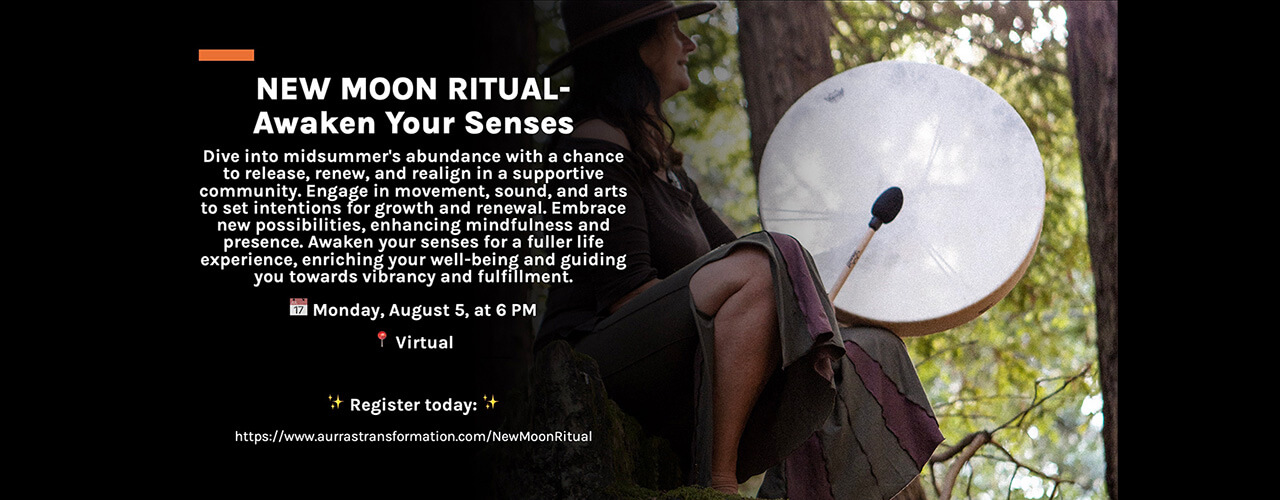
Transform your well-being with Aurras Transformation’s New Moon Ritual. This unique, research-backed experience harnesses creative expression to boost vitality and personal growth. Secure your spot for a journey to fulfillment.
Click Here for More Information
Use this code 20% off your first month: SUMMERFUN
BLOG: Explore the Healing Power of the Arts
Explore the Healing Power of the Arts: Unveiling Insights from Latest Research. In our latest blog post you uncover how creative expression not only enriches our lives but also plays a pivotal role in our health and well-being journey. Discover the transformative impact of the arts, backed by recent studies, and how it can foster healing, resilience, and growth.
Exercise of the Month
Standing Shoulder Flexion Prom
Start in a standing position with your arms down at your sides. Grab the wrist of your working arm with your opposite hand. Using the assistance of the opposite arm, keep your arms straight and raise them up over your head. Go through the motion slowly and with control. Repeat exercise 10 times.



Aurras Transformation presents 5Rhythms Sweat, weekly Tuesday classes that invite participants to let the music guide their movements and allow their bodies to become the teachers. This unique movement practice offers a space for exploration and self-expression.
The 5Rhythms practice held by Bettina Neumann supports your cancer rehab by enhancing mobility, strength, balance, and emotional well-being through mindful and expressive movement techniques. Participants can experience a holistic approach to healing and wellness through regular practice.