Inflammation 101: The Hidden Driver of Pain and Slow Healing
Have you been dealing with pain that just refuses to go away, no matter what steps you take? Do you have an injury that seems to be healing more slowly than normal, even though you’ve been doing the right things for treatment?
These kinds of situations can be both frustrating and confusing, and you’re probably feeling more than a little discouraged. You can be strong and still be stuck. Many of the people we see already exercise, lift weights, and do all the right things. But strength alone doesn’t change patterns. However, there’s a good chance another factor might be at play, one that you may not have even considered: inflammation.

What Is Inflammation, Really?
The term “inflammation” gets tossed around a lot these days, but many people aren’t totally sure what it even means.
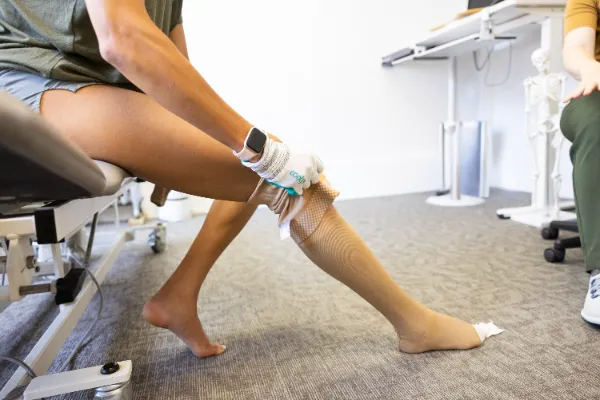
The simple explanation is that inflammation is your body’s natural response to stress, injury, or irritation. When you notice warmth, swelling, or tenderness after an injury, that’s inflammation in action.
In small amounts, inflammation is not just normal but helpful. It kickstarts your body’s healing process and helps protect injured tissue. This is known as acute inflammation.
But sometimes, inflammation doesn’t turn off. It lingers, keeping your body in a state of high alert. This is called chronic inflammation, and it can quietly slow healing and increase pain. In many cases, it’s not just the tissue — it’s the system staying in protection.
How Inflammation Affects Your Recovery
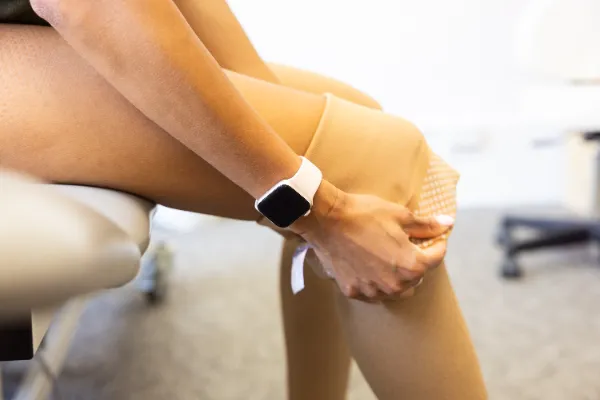
When inflammation sticks around too long, your body essentially gets stuck in protection mode, which can make your progress feel slow or even nonexistent. This is where many people feel stuck — not because they’re not doing enough, but because the system can’t shift out of protection.
How do you know if you’re dealing with this long-term protection mode? You might notice:
- Pain that feels constant or unpredictable
- Stiffness that doesn’t improve with rest
- Muscles that feel tight or guarded
- Fatigue or a sense of low energy
- Repeated injuries in the same area
Why Does Chronic Inflammation Happen?
There are several reasons someone might develop persistent inflammation, including:
- Past injuries that didn’t fully resolve
- Repetitive movement or overuse
- Stress and poor sleep
- Hormonal concerns
- Digestive or systemic health issues
This is why it’s not enough to just look at the site of injury. Your body is a connected system, and when one area is under stress, others start to compensate—and that only makes things worse.
What you need is a whole-person approach to care.
Addressing Inflammation with the Rising Sun Physical Therapy Team
Change doesn’t come from doing more. It comes from doing differently.
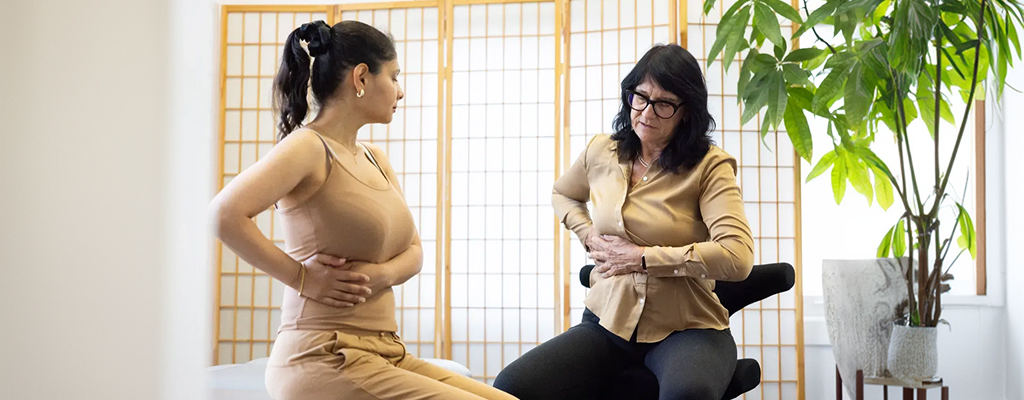
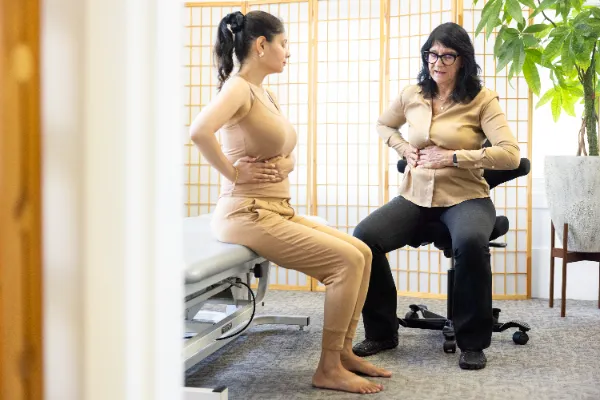
At Rising Sun, we look beyond the area of pain. Through manual work, we help the system shift. Through somatic movement, the body learns new options. Through lifestyle, the change begins to hold.
At our clinic, we recognize that inflammation is a signal from your body that something beyond just the affected body part needs support. Our job is to figure out what that is, which is why we always start with a conversation. We want to understand your health history, daily habits, stress levels, and movement patterns, as all of those can factor into your recovery.
From there, we’ll create a personalized plan that’s built around your whole body, not just the area that hurts.
What Treatment Can Look Like
Targeted Manual Therapy
Several hands-on techniques can help reduce pain sensitivity and support your body’s natural healing responses. This helps interrupt protective patterns and gives the system a new starting point. We might try:
- Myofascial release to reduce tension in your body’s connective tissue
- CranioSacral therapy to support the nervous system response
- Visceral manipulation to help boost proper internal function
Nervous System Support
Inflammation and stress are closely linked. When your nervous system stays in a heightened state, your body may hold onto tension and pain. We’ll help you release it through guided breathwork and mindful movement practices. When the system settles, the body can begin to heal.
Movement That Feels Safe Again
You can be strong and still be stuck — especially when the system is in protection. Instead, we’ll focus on controlled, breath-guided movement, with exercises that target mobility and core or pelvic stability.
Whole-Body Healing Strategies
Healing doesn’t stop when you leave the clinic. We can provide you with guidance on various lifestyle factors that can support your body day-to-day, such as:
- Anti-inflammatory nutrition basics
- Sleep habits that promote recovery
- Simple ways to manage stress
- Activity pacing to avoid flare-ups
Healing is not one method — it’s how these pieces come together.
Exercise of the Month
Lower Trunk Rotations
(Lower Back, Core)
Start by lying face up on the floor with your knees bent. Allow your knees to slowly drop to one side. Your lower back should rotate, but your shoulders should stay flat on the ground. Hold for 30 seconds. Bring your knees back up and then drop them to the opposite side. 2 Sets, 2 Reps.
You’re Not Stuck. Your Body Needs the Right Support.
If your pain has been lingering, it doesn’t mean your body is broken. You just haven’t figured out the deeper underlying reason for your discomfort. In many cases, that underlying reason is inflammation.
But there’s good news: when inflammation is addressed with care, patience, and the right approach, change is possible. And at Rising Sun Physical Therapy, we’re here to help guide you through that process.
Let’s take the next step together. Reach out today to schedule your visit and start feeling like yourself again.
Missing Sleep? Why Lack of Rest May Be Driving Inflammation
If you’re struggling with persistent pain, you probably find it harder to get a full night’s sleep. Even if you’re able to drift off, you may wake up feeling tired or unrestored.
This experience is more common than you might think, in large part because it points to a deeper issue: poor sleep and inflammation are closely connected.
How Sleep Affects Inflammation
Sleep is when your body repairs itself. You might be off in dreamland, but your body is still hard at work, using your time in deep sleep to:
- Reduce the proteins that increase pain and swelling
- Repair muscle and tissue
- Reset your nervous system
But when your sleep is disrupted, these processes don’t happen fully. As a result, your tissue is slower to heal, and your symptoms linger. Poor sleep can also increase pain sensitivity and morning stiffness.
Even one night of poor sleep can raise inflammation levels. The resulting pain makes it harder to sleep, and poor sleep increases your pain. Over time, your body can get stuck in this cycle until you become overwhelmed.

Breaking the Poor Sleep Cycle at Rising Sun Physical Therapy
Our team understands how frustrating this cycle can be, which is why we strive to improve your sleep quality as part of your comprehensive care plan. We can also guide you through simple, realistic strategies to improve sleep hygiene, such as:
- Positioning tips to reduce nighttime discomfort
- Evening routines that help your body wind down
- Guidance on pacing activity to avoid flare-ups
You Deserve to Wake Up Feeling Better
Reach out to Rising Sun Physical Therapy and take the first step toward more restful nights and easier days.
Anti-Inflammatory Recipe: Ginger Lemon Salmon with Roasted Asparagus

Ingredients (serves 2):
- 2 salmon fillets
- 1 tbsp fresh ginger, grated
- 2 tbsp lemon juice
- 1 tbsp olive oil
- 1 garlic clove, minced
- 1 bunch asparagus, trimmed
- Salt and pepper to taste
Instructions:
Preheat oven to 400°F. Mix ginger, lemon juice, olive oil, and garlic. Place salmon and asparagus on a baking sheet, drizzle with the ginger-lemon mixture, and season with salt and pepper. Bake for 15–18 minutes until salmon flakes easily. Serve immediately.
Salmon is rich in omega-3 fatty acids, which are well known for their natural anti-inflammatory properties. Ginger and asparagus add additional antioxidant support to help your body recover from the inside out.
Test Your Inflammation Knowledge
Think you know what’s driving your pain? Take this quick quiz to find out.

Aurras Waves: A Refreshing Break for Your Nervous System
Inflammation is not only about tissue irritation. It is also connected to how the nervous system stays in protection. Aurras Waves offers a different way in. Through guided rhythmic movement, the body has a chance to come out of holding, increase mobility, release tension, and restore a greater sense of ease. Beyond physical therapy, this work helps people reconnect to their body in motion, so change is not only treated, but practiced and lived. Stand up, take a refreshing break, and join me for this simple movement practice.
Stand up, take a refreshing break, and give your body a moment to reset with me.
Sources
Primary Article: https://www.sciencedirect.com/science/chapter/edited-volume/abs/pii/B9780128221303000089
Primary Article: https://www.frontiersin.org/journals/rehabilitation-sciences/articles/10.3389/fresc.2024.1305925/full
Secondary Article: https://link.springer.com/article/10.1007/s11818-025-00495-6