Rising Sun Physical Therapy will be closed Dec. 20th – Jan. 5th.


A Mindful Gift to End the Year—Yours for 3 Days Only
Pause, breathe, and reflect before the year slips away. Guided by Bettina Neumann — physical therapist, somatic educator, and 5Rhythms teacher — this FREE 3-Day Mindful Year-End Journey combines mindfulness, movement, and the arts to help you:
Reflect on what matters most,
Let go of stress,
Step into the New Year feeling clear and grounded.
This gift is available for 3 days only — don’t miss it.
Take this moment for yourself.

Improve Your Digestive Health with Physical Therapy
December Newsletter
When it comes to managing digestive issues like IBS or GERD, most people don’t immediately think of physical therapy, opting for dietary changes or medication instead. However, digestive issues are surprisingly complex — and the team at Rising Sun Physical Therapy offers several techniques for improving your digestive health.
To illustrate how effective physical therapy can be at managing digestive problems, we want to share three patient stories (all names have been changed) exploring different PT approaches, including pelvic floor therapy, stress reduction, and more.

Emily’s Journey to IBS Relief: The Role of Pelvic Floor Therapy
Emily had struggled with Irritable Bowel Syndrome (IBS) for years. Bloating, abdominal pain, and irregular bowel movements had all become a fixture in her life. She tried various diets, medications, and lifestyle changes to no avail.
But then her physician suggested pelvic floor physical therapy, noting that IBS often correlates with dysfunction in the pelvic floor muscles, as these muscles play a role in bowel regulation and abdominal tension.
We created a custom plan for Emily focused on relaxing and strengthening her pelvic floor muscles to reduce cramping and improve her overall bowel function. This plan included therapeutic exercises to work her pelvic floor and various hands-on techniques to relieve tension.
One technique that really helped Emily was visceral manipulation, in which we applied light touch, targeted pressure to the abdomen to reduce tension around organs like the intestines and stomach to restore the natural movements of the internal organs (viscera) and their connective tissues, which might be limited due to the IBS symptoms and compromise the function of the organ.
Visceral manipulation can help individuals with IBS by addressing tissue restrictions, restoring natural organ mobility, and calming the nervous system. This gentle, hands-on therapy improves blood flow, lymphatic drainage, and motility of the intestines, reducing symptoms like bloating, cramping, and abdominal tension. It also supports the gut-brain connection by stimulating the vagus nerve, promoting relaxation and reducing the hypersensitivity often associated with IBS. Additionally, visceral manipulation can alleviate postural imbalances and break the pain-tension cycle, making it a valuable complementary therapy for managing IBS as part of a holistic treatment plan.
Why Does it Work?
Physical therapy helps alleviate GERD by improving posture, reducing abdominal pressure, and strengthening the diaphragm, which supports core stability and minimizes acid reflux. These adjustments address the mechanical factors contributing to GERD symptoms, providing effective and lasting relief.
What Were Emily’s Results?
After a few months, the bloating and discomfort that had once dominated Emily’s life lessened, and she experienced more regular bowel movements. Working to improve her pelvic floor complemented the dietary and lifestyle changes she had already made, and she found a holistic path to improved digestive health.

Addressing Susan’s GERD by Addressing Susan’s Posture
Susan had recently developed gastroesophageal reflux disease (GERD), the medical name for chronic heartburn. Over-the-counter antacids did little to help, and she was certain she’d never find relief — until a friend suggested she try physical therapy.
Why PT? GERD symptoms often worsen with poor posture, especially when the abdominal muscles press against the stomach, pushing acid upward into the esophagus. Susan was a product manager who spent significant time working at her desk, so she definitely had some postural impairments.
We created a postural improvement program for Susan that focused on improving her GERD symptoms. We started by assessing her current posture and providing in-depth corrections to help keep her spine aligned throughout the day.
However, we also created an exercise program to improve Susan’s core strength, including her back muscles, obliques, internal abs — and diaphragm muscles. We don’t often think about our diaphragm muscles, but strengthening them can improve core stability and reduce pressure on the stomach — exactly what happened with Susan.
What Were Susan’s Results?
Susan found that her postural improvement program helped her remain aligned throughout the day – but especially after eating. This small but significant change dramatically improved her reflux symptoms.

John’s Story: Combatting Stress-Induced Acid Reflex
John was a high-powered executive who suffered from acid reflux and stomach cramping, especially during busy periods at work (which was most of the time). John knew there was a link between stress and digestive issues, although he didn’t understand why until our therapists explained it to him.
Essentially, stress activates the body’s fight-or-flight response, diverting its resources toward dealing with the potential threat. One of the affected functions is digestion, which slows down and leads to conditions like acid reflux.
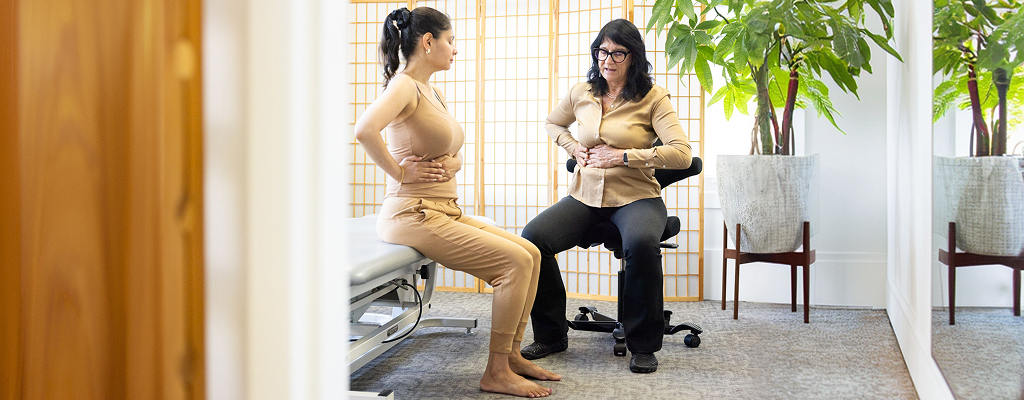
We worked with John to create a customized stress reduction program that included tips for incorporating more exercise movement into his day and diaphragmatic breathing exercises to calm his nervous system. Diaphragmatic breathing, often called “deep breathing,” helps activate the body’s relaxation response, countering stress and reducing the production of stomach acid that can trigger reflux.
The exercises we provide are highly individualized, especially when it comes to deep breathing. Many people associate diaphragmatic breathing with simply pushing out their tummy and breathing with forceful vigor, but that’s not what we do. Like what we did with John, we create a personalized breathing program tailored to each individual, based on how they are currently using their body and muscles. Accessing the diaphragm effectively with breath is a very intricate process that requires careful assessment and adjustment to align with each person’s unique needs and patterns. Additionally, we address lifestyle factors, including stress reduction, to create a holistic plan that promotes lasting relief.
What Were John’s Results?
Within weeks, John noticed a marked reduction in his reflux episodes and felt more in control during stressful times. He also incorporated his breathing exercises into his daily routine, helping him manage stress on his own.

Find Your Path to Digestive Health
If you’re struggling with digestive issues, Rising Sun Physical Therapy is here to help! Visit us online to schedule an initial consultation so we can develop a program that suits your unique needs–just as we did for Emily, Susan, and John!

Our Patients Get Great Results
“I can’t speak highly enough of Rising Sun Physical Therapy. For years, I’ve struggled with hemorrhoids and developed an extremely painful fissure that lasted for a couple of months. From my very first session with Bettina, I noticed significant improvement. After just three weeks, the pain and fissure were nearly gone. Bettina’s expertise and care made a world of difference in addressing a sensitive issue that had significantly impacted my quality of life. I wholeheartedly recommend Bettina and her team. Their specialized knowledge and effective treatment plan can truly be life-changing.”
—Sabrina E.


How Mindfulness Can Help You Stay Calm During the Holidays
The holiday season is almost here! But with the bright lights and beloved seasonal treats can come prolonged stress and feelings of overwhelm.
Fortunately, a simple tool can help you stay calm: mindfulness. Mindfulness involves focusing on the present moment, calmly acknowledging and accepting your thoughts, feelings, and bodily sensations–and then letting them go.
This practice is important for managing stress. It calms the nervous system, improves emotional resilience, and allows you to enjoy the holiday season.
Three Mindfulness Tips for the Holidays

1. Start Your Day with Deep Breathing
Set aside five minutes each morning to practice slow, deep breaths. Inhale deeply through your nose, hold briefly, then exhale slowly. Deep breathing activates your body’s relaxation response, making it easier to manage stress.

2. Practice Mindful Eating
During holiday meals, focus on each bite. Take time to savor flavors and textures. Eating mindfully can improve digestion and help you enjoy meals without feeling rushed. (And it’s a chance to fully enjoy your favorites.)

3. Take Short Mindfulness Breaks
Throughout your day, pause for a minute or two to close your eyes, focus on your breath, and reset. Even a short break can bring clarity and reduce tension.
These simple mindfulness practices can help you stay calm, enjoy the season, and feel more present with your loved ones. Email us at support@risingsunphysicaltherapy.com if you’d like our team to help with additional stress management techniques!
Meet Our Team
-

Kelsey Anderson
Operations Manager -

Bettina Neumann
PT, CST, LLCC -

Simone Vienneau
PT

Exercise of the Month
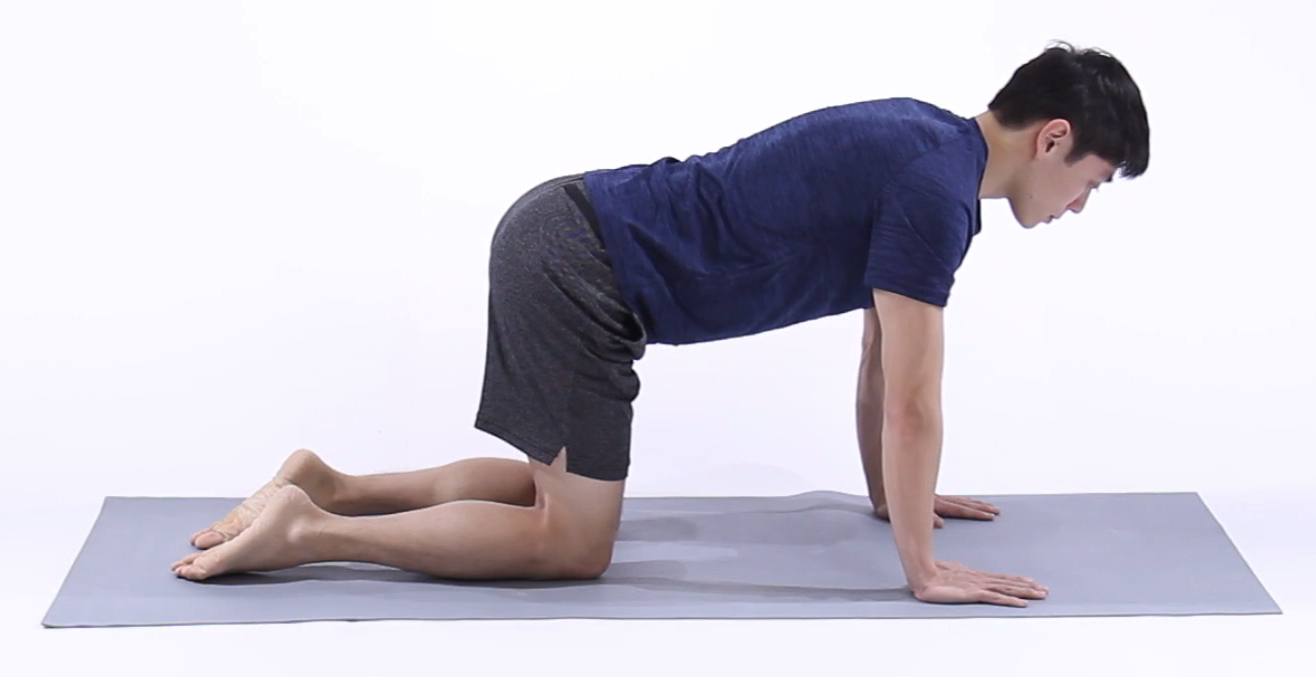
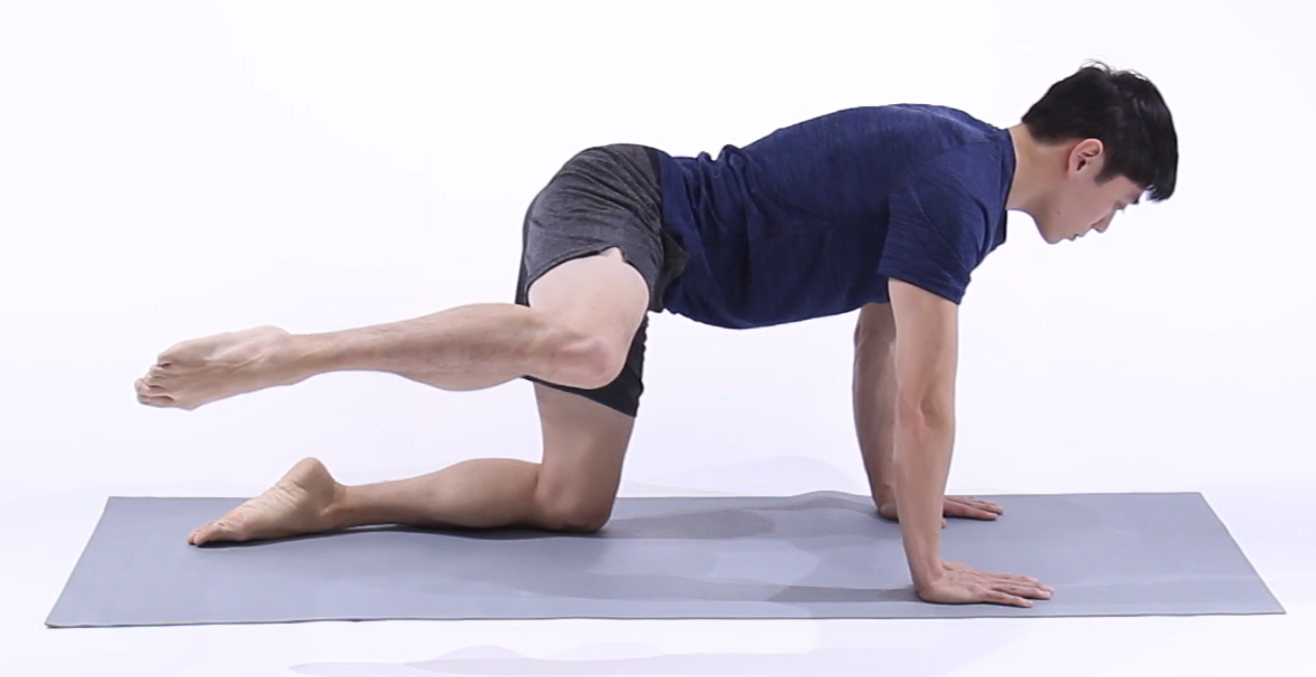
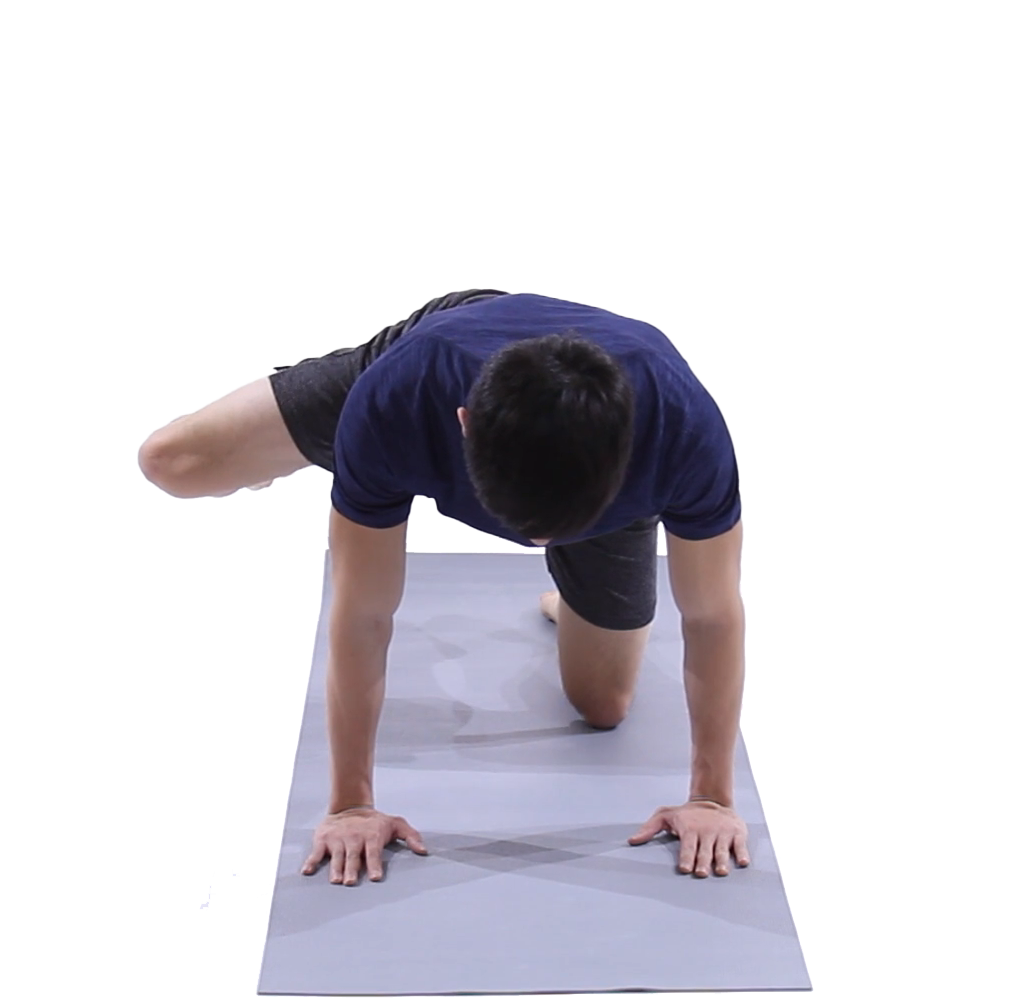
Hip Abduction (Quadruped)
Begin on all fours, with wrists directly under the shoulder and knees directly under the hips. Engage your abdominals and slowly lift one knee out to the side, keeping your knee in line with the hip. Hold as instructed, then bring your knee back down to the floor. Repeat 3 sets, 10 reps each.



Feel Better by Eating Better!
Roasted Root Vegetables
- 12 oz rutabaga, peeled & cut into ¾-inch pieces
- 8 oz celery root, peeled & cut into 1-inch pieces
- 8 oz peeled baby carrots
- 8 oz fingerling potatoes
- 3 medium parsnips, peeled & cut into 1-inch-thick slices
- 1 medium fennel bulb, cored & cut into thin wedges
- 2 shallots, peeled & cut into thin wedges
- 2 tbsp olive oil
- ½ tsp salt
- ½ tsp ground pepper
Preheat oven to 325°F. Combine rutabaga, celery root, baby carrots, fingerling potatoes, parsnips, fennel, and shallots in a shallow roasting pan. Add oil, salt, and pepper; toss to coat. Bake, uncovered, for 1 hour, stirring occasionally. Increase oven temperature to 425°F. Bake, uncovered, about 10 minutes more or until the vegetables are tender and lightly browned.