
Endometriosis is a common but often misunderstood gynecological condition that occurs when uterine tissue grows outside of the uterus. Pelvic pain and endometriosis usually go hand-in-hand, but unfortunately, misconceptions about endometriosis often prevent people from getting the treatment they need.
Below, the Rising Sun Physical Therapy team debunks some of the most common myths about pelvic pain and endometriosis–including how physical therapy offers an effective, non-invasive approach to managing symptoms.
Don’t Fall For These Endometriosis Myths!
Myth: Endometriosis Only Causes Pain During Menstruation
Reality: Pain can occur at any time.
While menstrual pain is a common symptom of endometriosis, many people experience discomfort throughout their cycle. This can include:
- Chronic pelvic pain that lasts beyond menstruation.
- Pain during or after intercourse due to inflammation and muscle tension.
- Pain with bowel movements or urination as the condition affects nearby organs.
- Lower back and hip pain caused by referred discomfort from pelvic dysfunction.
Myth: Surgery Is the Only Treatment for Endometriosis
Reality: Conservative treatments can be effective
While surgery may be necessary for some cases, it is not the only option. A comprehensive approach, including physical therapy at Rising Sun Physical Therapy, can significantly improve quality of life without the risks of surgery. Some of the non-invasive treatment options we offer include the following:
- Pelvic floor physical therapy to reduce muscle tightness and improve function
- Manual therapy techniques that release fascial restrictions and improve blood flow
- Targeted exercises that strengthen supportive muscles and enhance mobility
- Pain management strategies such as breathing techniques and posture training
Myth 3: If You Have Endometriosis, You Just Have to Live With the Pain
Reality: You have many options for managing symptoms.
Many people believe that endometriosis pain is inevitable, but this is not true. Seeking professional guidance can lead to significant improvements. With the right treatment plan, you can effectively manage your treatment program. Physical therapy helps by:
- Identifying movement patterns that contribute to discomfort
- Teaching relaxation techniques to reduce pelvic muscle tension
- Improving posture and core strength to support the pelvis and reduce strain
- Addressing nerve sensitivity through desensitization exercises
Myth 4: Endometriosis and Pelvic Pain Only Affect Fertility
Reality: Endometriosis can impact many aspects of life.
While endometriosis is often discussed in the context of fertility, its effects go far beyond reproductive health. Long-term pelvic pain and endometriosis can lead to:
- Disruptions in daily activities, making it difficult to sit, stand, or exercise comfortably
- Emotional distress, including anxiety and depression due to persistent discomfort
- Sleep disturbances, as pain can make it difficult to rest properly
- Bladder and bowel issues, leading to discomfort and frequent urgency
Myth 5: Exercise Will Make Pelvic Pain Worse
Reality: The right exercises can provide relief.
While high-impact activities may aggravate symptoms, gentle movement can help relieve tension and improve circulation. By working with a specialist, you can safely incorporate movement into your routine to help manage symptoms effectively.
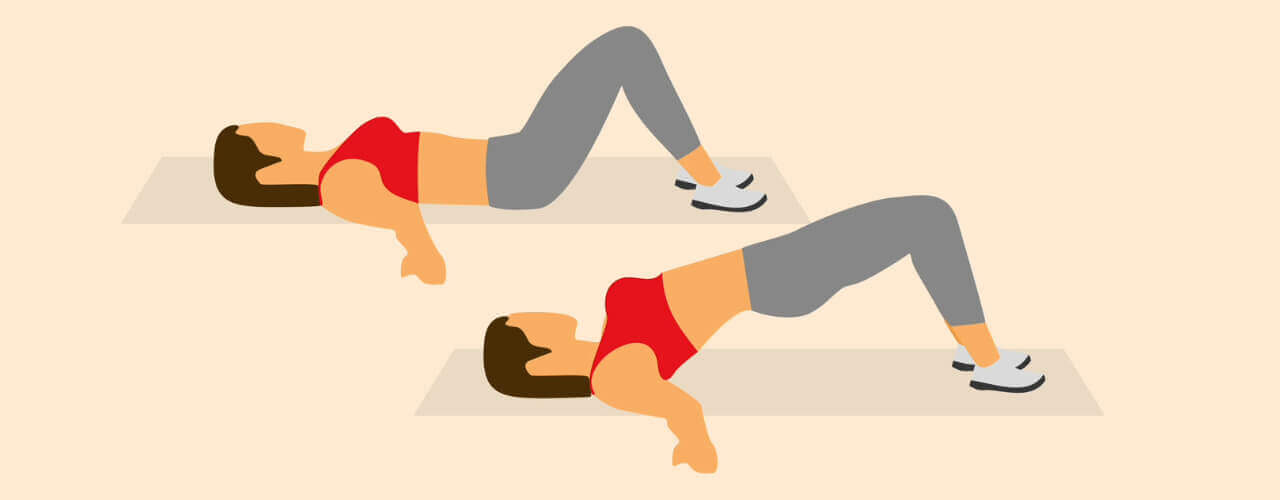
Our physical therapists will work with you to design a customized exercise plan that may include:
- Stretching techniques to reduce stiffness and help you relax
- Low-impact strength exercises to support pelvic stability
- Breathing and relaxation techniques to decrease muscle tension
Find Relief with Physical Therapy
If you are struggling with pelvic pain and endometriosis, you don’t have to navigate it alone. Physical therapy offers a safe and effective way to reduce pain, improve function, and enhance overall quality of life.
Contact Rising Sun Physical Therapy today to schedule an appointment and take the first step toward relief.