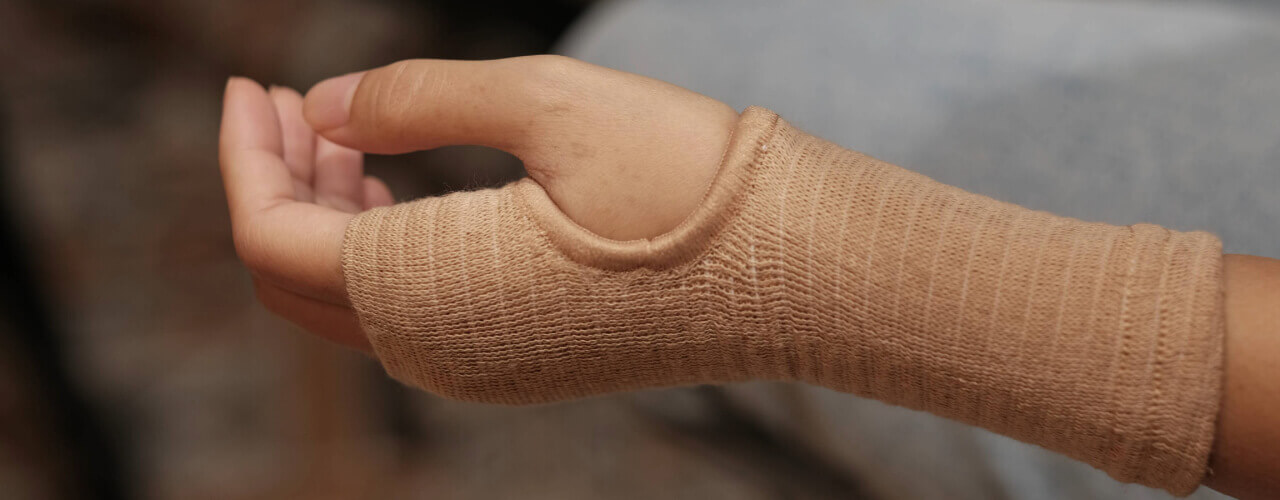

Many people experience swelling, discomfort, or reduced mobility after surgery, injury, or illness. A common question arises: How can these symptoms be managed effectively without medication? The answer often lies in lymphatic drainage, a gentle, therapeutic technique that plays a crucial role in recovery.
This approach is frequently misunderstood, leading to hesitations about its use. By answering common questions, this guide provides clarity on how manual lymphatic drainage supports the healing process.
What Is Manual Lymphatic Drainage?
This method is a gentle, hands-on technique that encourages the natural circulation of lymph fluid throughout the body. The lymphatic system plays a vital role in eliminating waste, toxins, and excess fluid. When the system becomes sluggish due to surgery, injury, or certain medical conditions, swelling and discomfort can occur.
Why It Supports Recovery
Faster Healing Times
- Speeds up recovery by promoting efficient fluid drainage.
Pain Reduction
- Decreases discomfort caused by fluid retention and swelling.
Supports Other Therapies
- Prepares the body for more intensive physical therapy by improving mobility.
Holistic Wellness
- Improves overall well-being through better circulation and immune system support.
What Conditions Benefit from Lymphatic Drainage?
Patients often wonder if this therapy is right for them. It’s beneficial for several conditions, including:
- Post-surgical swelling
- Lymphedema
- Chronic venous insufficiency
- Inflammatory conditions such as arthritis
- Sports injuries
Key Benefits for Different Conditions:
Post-Surgical Care
- Reduces swelling and accelerates tissue healing.
Chronic Conditions
- Improves mobility and reduces pain from long-term swelling.
Injury Recovery
- Minimizes scar tissue formation and enhances healing.
How Does This Technique Work?
Manual lymphatic drainage involves light, rhythmic movements that stimulate lymph flow without causing discomfort. The technique focuses on the direction of lymphatic pathways, guiding fluid toward healthy lymph nodes.
What Makes It Effective
Gentle Pressure
- Stimulates lymph vessels without compressing them.
Structured Sequence
- Encourages fluid movement from congested areas to lymph nodes.
Relaxing Experience
- The rhythmic nature promotes relaxation and stress relief, supporting the body’s healing process.
How Soon Can Results Be Expected?
Patients often ask how quickly they will feel better after starting therapy. Results depend on the condition being treated, but many patients report reduced swelling and discomfort after a few sessions.
What Patients Typically Notice
Immediate Relief
- Some reduction in swelling and tightness after the first session.
Progressive Improvement
- Continued sessions lead to better mobility and reduced pain.
Long-Term Benefits
- Regular maintenance helps prevent future swelling episodes.
Common Misconceptions About Lymphatic Drainage
Misunderstandings can discourage people from seeking this helpful therapy. Let’s correct a few common myths:
Myth: Lymphatic drainage is painful.
Fact: The technique uses gentle movements and should not cause pain.
Myth: It only benefits those with severe swelling.
Fact: Anyone experiencing mild swelling, sluggish circulation, or recovering from surgery can benefit.
Myth: Results take months to show.
Fact: Many patients experience relief after just a few sessions.
Final Takeaway: The Value of Informed Care
Understanding the benefits of lymphatic drainage empowers patients to make informed decisions about their care. This therapy reduces swelling, supports recovery, and enhances overall well-being. Patients should seek qualified physical therapists who can personalize treatments for lymphedema to achieve the best outcomes.
Why Lymphatic Drainage Should Be Part of Your Care Plan
- Encourages faster recovery without reliance on medication.
- Improves mobility and daily function by reducing swelling.
- Boosts overall health by supporting immune function.
- Prepares the body for more advanced physical therapy treatments.
If you are experiencing swelling, discomfort, or delayed recovery, consider how Rising Sun Physical Therapy could support your healing process. Reach out today to schedule an appointment and take the first step toward improved health.