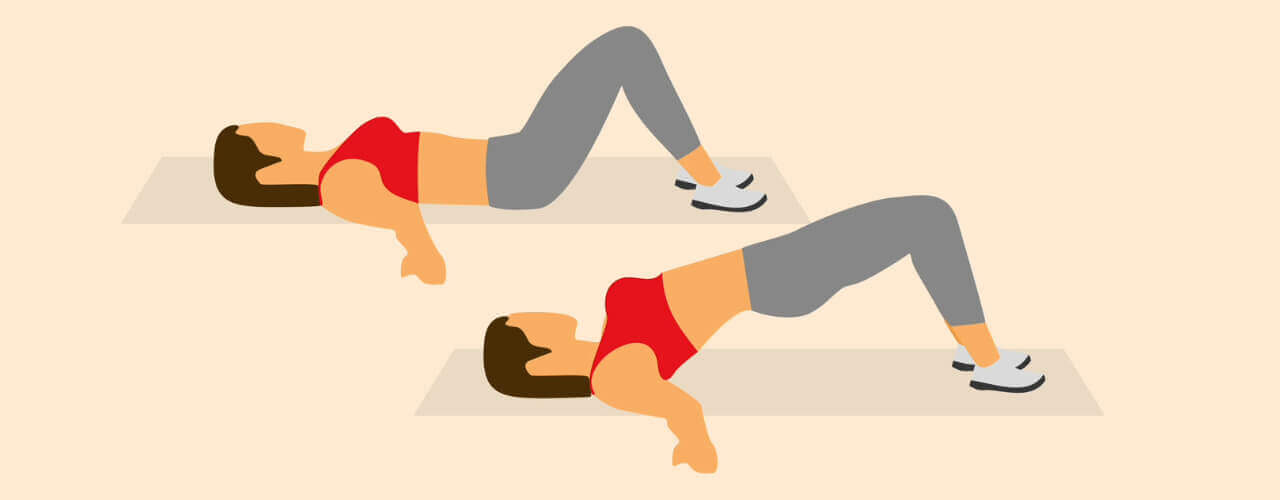

Postpartum pelvic pain is a significant concern for many new mothers. This discomfort can affect daily activities, mobility, and overall well-being, leading to questions about causes and effective solutions. Understanding how physical therapy supports coping with pelvic pain postpartum can provide clarity and reassurance. By addressing the root causes with proven techniques, physical therapy helps restore comfort and function safely.
Understanding the Causes of Pelvic Pain Postpartum
Coping with pelvic pain postpartum starts with understanding its common causes. Several factors contribute to postpartum pelvic discomfort:
- Pelvic floor strain from vaginal delivery leads to muscle weakness.
- C-section recovery, which can affect abdominal and pelvic muscles.
- Hormonal changes, such as the release of relaxin, causes ligament loosening.
- Muscle strain from lifting and caring for a newborn.
Recognizing these causes emphasizes why guided physical therapy is crucial. Therapists design individualized plans targeting these specific issues to promote steady recovery.
How Physical Therapy Helps in Coping with Pelvic Pain Postpartum
Physical therapy plays a vital role in managing postpartum pelvic pain. Therapists develop personalized plans focusing on the following:
- Pelvic floor strengthening to restore muscle function.
- Mobility exercises are designed to improve movement without discomfort.
- Manual therapy to address muscle tension and promote healing.
- Posture correction techniques to reduce strain during daily activities.
By addressing these areas, physical therapists ensure patients regain mobility and confidence. With regular sessions, mothers experience steady improvements, supporting a safe return to daily routines.
Recognizing When to Seek Physical Therapy
While mild discomfort is common, persistent pain requires professional support. Physical therapy becomes essential when:
- Pain disrupts daily activities like walking or lifting.
- Discomfort continues beyond a few weeks postpartum.
- Symptoms include pelvic pressure, instability, or urinary concerns.
Addressing postpartum pelvic pain through early physical therapy prevents long-term complications. Prompt care ensures that recovery happens safely, reducing the risk of chronic pain.
What to Expect During Physical Therapy Sessions
Physical therapists conduct comprehensive assessments to tailor treatment plans. Patients working through pelvic pain can expect the following:
- Initial evaluations to assess pelvic floor function and mobility.
- Targeted exercises to rebuild strength gradually and safely.
- Manual therapy sessions address muscle tightness and promote healing.
- Education on safe body mechanics for daily tasks like lifting and sitting.
These interventions ensure patients recover at a comfortable pace, with improvements in mobility and pain levels.
Self-Care Strategies for Coping with Pelvic Pain Postpartum
Supporting physical therapy with at-home care enhances recovery. Patients can try:
- Mindful posture when lifting or carrying their baby.
- Gentle movements as recommended by physical therapists.
- Supportive seating and sleeping arrangements to ease the pressure.
- Proper hydration and nutrition to support tissue healing.
These steps, combined with professional guidance, empower patients to manage discomfort safely. Avoiding high-impact activities and seeking advice when pain persists is essential for long-term recovery.
Your Path to Recovery Starts Here
Coping with pelvic pain postpartum may seem challenging, but physical therapy offers effective, individualized solutions. Physical therapists at Rising Sun Physical Therapy are ready to guide you through a safe recovery process, restoring strength and mobility. With expert care and tailored strategies, you can regain comfort and confidence in daily activities. Contact Rising Sun Physical Therapy today to take the first step toward postpartum recovery with the support you deserve.