
Did you know that as many as one in seven women experience chronic pelvic pain? This translates to millions of women suffering in silence. The good news is that physical therapy can be a powerful tool for finding relief from pelvic pain in women and reclaiming your active life.
Understanding Pelvic Pain in Women: It’s More Than Just Discomfort
Pelvic pain in women is pain localized in the lower abdomen and pelvis, lasting for at least three to six months. This pain can be sharp, dull, cramping, or a burning sensation. It may be constant or come and go and can worsen during certain activities like sexual intercourse, menstruation, or bowel movements.
Causes of Pelvic Pain
Muscle and Ligament Strain
- The pelvic floor muscles support your bladder, uterus, and rectum. Overuse, injury, or tightness in these muscles can lead to pain.
Endometriosis
- This condition occurs when tissue similar to the uterine lining grows outside the uterus.
Pelvic Inflammatory Disease (PID)
- An infection of the female reproductive organs.
Uterine Fibroids
- Noncancerous growths in the uterus.
How Physical Therapy Can Help You Find Relief from Pelvic Pain
Physical therapy offers a safe and effective approach to managing pelvic pain in women. A physical therapist will work with you to identify the underlying cause of your pain and create a personalized treatment plan.
Treatment Procedures
Manual Therapy
- Techniques like massage and stretching can help to relax tight muscles and improve flexibility.
Strengthening Exercises
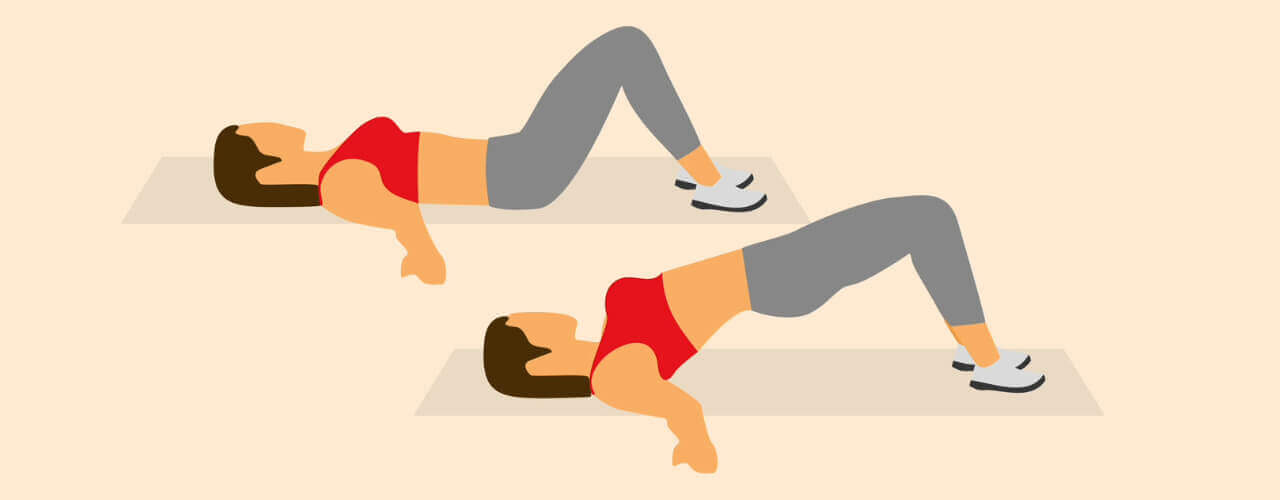
- Pelvic floor exercises, also known as Kegels, can improve muscle tone and support.
Biofeedback
- Biofeedback technology helps you learn to control muscle contraction and relaxation.
Education
- Your physical therapist will educate you on your condition and provide self-care strategies to manage your pain and prevent future flare-ups.
Because every patient’s experience is unique, your physical therapist will tailor a treatment plan specifically for you. Their expertise ensures you receive the most effective treatments to alleviate your current pain and prevent future episodes.
Take Back Control: Schedule Your Path to Pelvic Pain Relief Today!
Don’t let pelvic pain hold you back from living your life to the fullest. Physical therapy can empower you to find lasting relief and regain control. Call our team at Rising Sun Physical Therapy in San Francisco, CA today to learn more about how we can help you.