
A herniated disc can make ordinary activities, such as sitting at a desk, getting dressed, or walking through the grocery store, feel unexpectedly difficult. For many adults, herniated disc physical therapy offers a structured way to manage symptoms, restore movement, and gradually return to meaningful activities. At Rising Sun Physical Therapy, we recognize that a diagnosis alone does not tell the whole story, and so treatment is personalized to the individual
The following patient scenario illustrates what a typical rehabilitation journey may look like for someone recovering from a herniated disc.
When Back Pain Started Interrupting Everyday Life
Imagine a patient named Michael, an active adult who began experiencing lower back pain after several weeks of increasing discomfort. At first, he expected the pain to settle down on its own.
Instead, he began to notice pain radiating into his leg. Sitting for long periods became uncomfortable. Bending to put on his shoes was difficult, and activities he normally enjoyed became harder to manage.
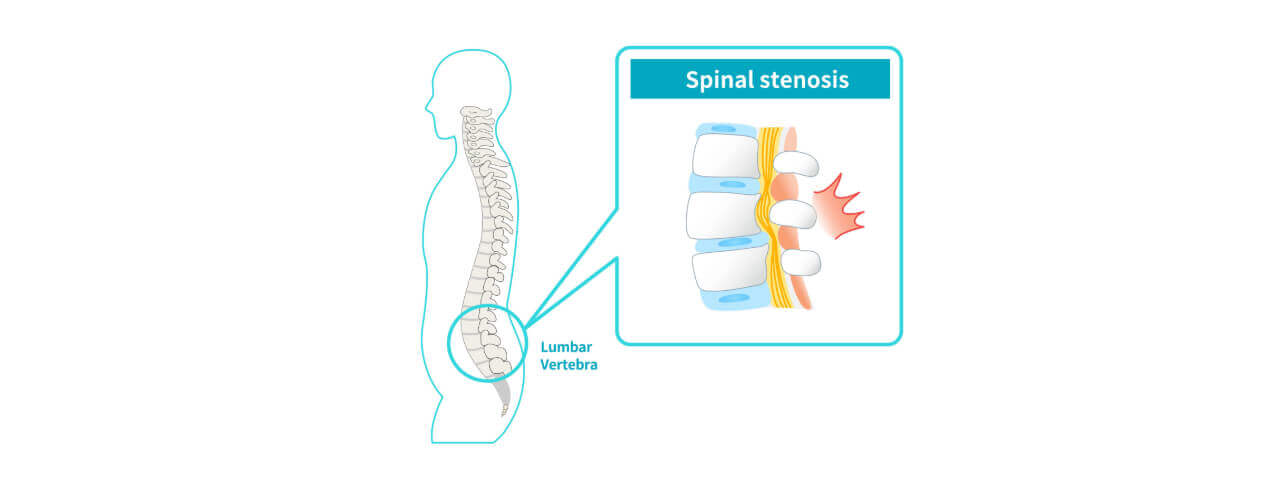
After a medical evaluation, Michael learned that he had a lumbar herniated disc.
Although having a diagnosis provided some answers, he still had questions. Could he exercise safely? Should he avoid bending? How could he get back to work and daily activities without constantly worrying about his back?
That was when physical therapy became an important part of his recovery plan.
Physical Therapy for a Herniated Disc Starts With the Person, Not the MRI
At Rising Sun Physical Therapy, Michael’s first herniated disc physical therapy visit focused on more than the location of his disc injury. His physical therapist wanted to understand how his symptoms were affecting his actual life.
The evaluation included:
- Reviewing his symptoms and health history.
- Assessing movements that increased or reduced his symptoms.
- Checking mobility and strength.
- Evaluating how he performed everyday movements.
- Discussing his work, exercise habits, and personal goals.
This information helped the physical therapist develop an individualized treatment plan based on Michael’s current abilities and the activities he wanted to regain.
Building Confidence One Movement at a Time
Early in rehabilitation, the goal was not to push through significant pain. Instead, Michael and his physical therapist worked to identify movements and exercises he could perform comfortably while gradually increasing his activity.
His treatment plan evolved as his symptoms and abilities changed.
It included exercises designed to improve trunk and hip strength, mobility, and overall movement tolerance. His therapist also helped him understand how to modify activities temporarily without becoming unnecessarily fearful of movement.
Education was another important part of the process. Michael learned that imaging findings do not always directly predict how much pain or limitation someone will experience. He also learned how gradual activity and appropriately dosed exercise can play an important role in recovery.
Rather than following a one-size-fits-all protocol, his herniated disc physical therapy program progressed according to his response to treatment.
Progress Showed Up in Everyday Moments
Michael’s recovery was not defined by one dramatic breakthrough. Instead, he began to notice meaningful changes in his routine.
He could sit more comfortably during the workday. Putting on his shoes became easier. Walking felt easier overall. Exercises that had initially been challenging became more manageable as his strength and confidence improved.
His physical therapist continued adjusting the program to prepare him for increasingly demanding activities. The focus gradually shifted from symptom management toward restoring the strength, mobility, and physical capacity needed for his daily responsibilities and recreational goals.
These functional improvements provided practical signs of progress that mattered beyond a pain rating.
A Stronger Path Forward With Rising Sun Physical Therapy
A herniated disc can temporarily change the way you move, work, and participate in activities you enjoy, but rehabilitation can help you build a path forward. Herniated disc physical therapy may support improvements in mobility, strength, movement tolerance, and overall function while helping you better understand how to manage your symptoms.
If back or leg symptoms are limiting your daily activities, contact our clinic today. Our physical therapy team can evaluate your movement, discuss your goals, and create an individualized plan designed to help you move toward the activities that matter most to you.