
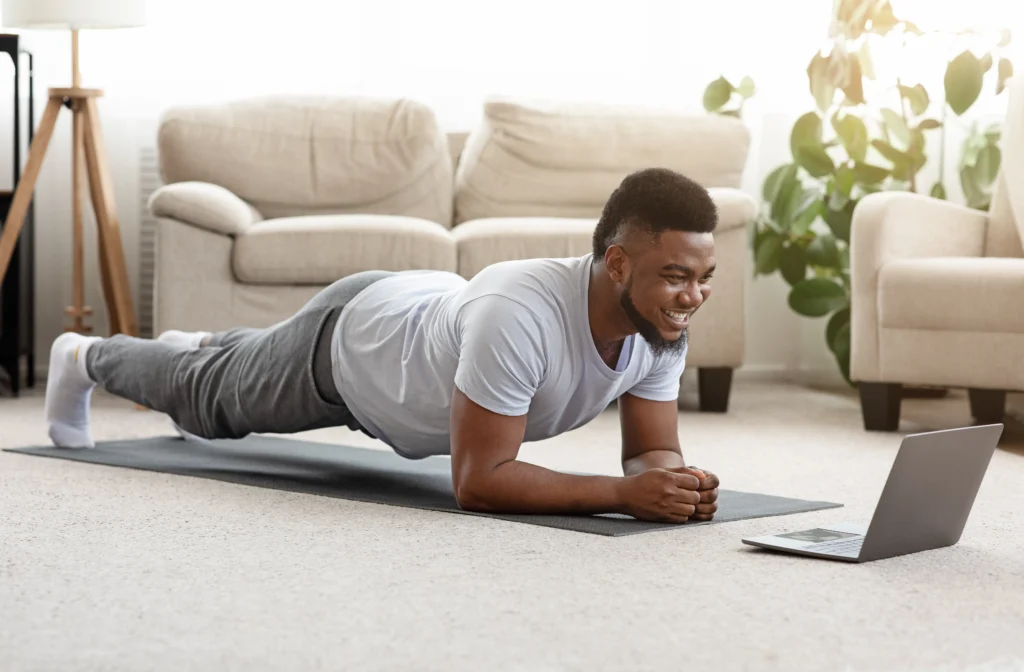
What You Need To Know About Men’s Pelvic Health
May Newsletter
We recently worked with a patient in his 50s, whom we’ll call Daniel. He had been struggling with pain in his lower abdomen and groin for over a year. The discomfort interrupted his sleep–and worse, his sexual performance.
After visiting a urologist and undergoing tests to rule out any underlying medical conditions, the patient was referred to physical therapy.
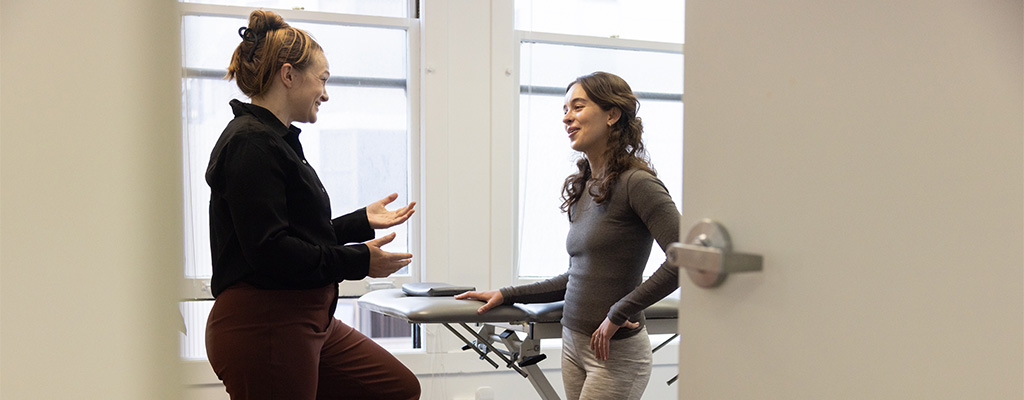
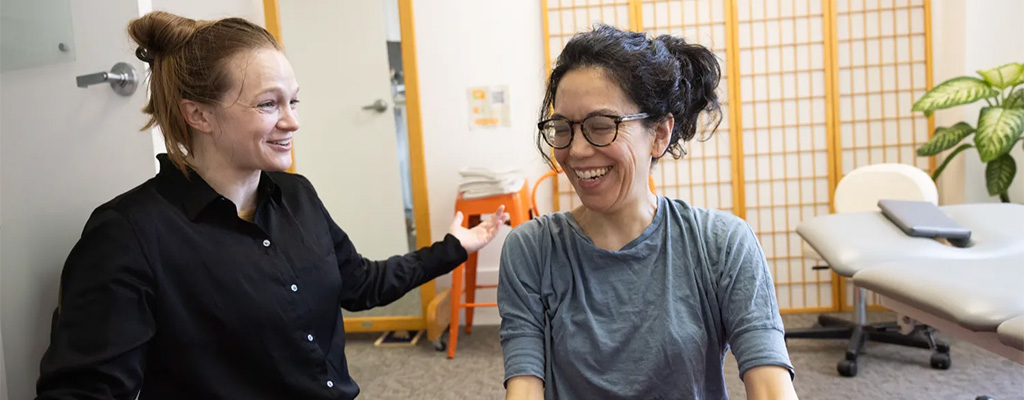
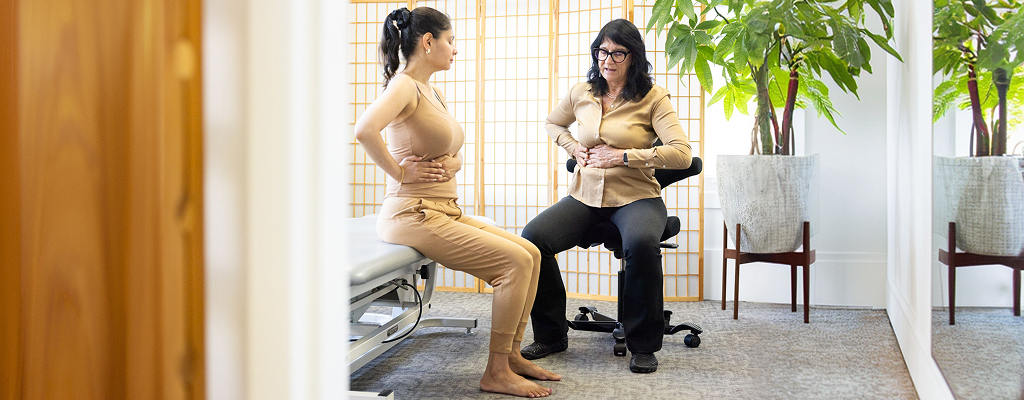
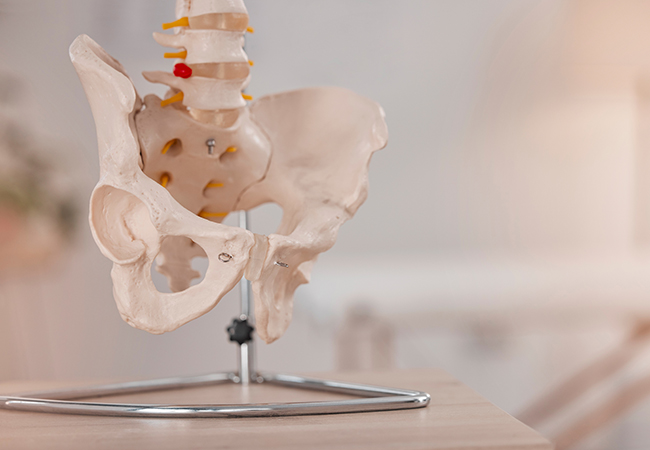
Our physical therapists performed a thorough assessment during Daniel’s initial evaluation to pinpoint the musculoskeletal and functional factors contributing to his symptoms. The evaluation revealed that he was experiencing pelvic floor dysfunction—a condition that impacts the muscles, ligaments, and connective tissues in the pelvic region.
Stories like Daniel’s are more common than many men realize. They often don’t consider the role of their pelvic floor when struggling with issues like pain, incontinence, or sexual dysfunction–but the pelvic floor is as essential for men as it is for women.
Fortunately, physical therapy is a highly effective approach for managing pelvic floor concerns, regardless of your gender. With a personalized program that included manual therapy, breathwork, and tailored pelvic floor exercises, Daniel soon began to see real improvement.

Why Pelvic Floor Health Matters for Men
The deep internal muscles of the pelvic floor play an essential role in health by supporting bladder, bowel, and sexual function. When they’re not working properly (either from tightness, weakness, or injury), pain and dysfunction can follow.
What Pelvic Floor Conditions Affect Men?
Sexual Dysfunction
- Issues like painful ejaculation or erectile dysfunction are often linked to muscle tension or nerve irritation.
Urinary Incontinence
- Involuntary leakage of urine, often after prostate surgery or as a result of aging. Not only, also in younger men, due to muscle imbalance.
Constipation Or Straining
- Occurs if pelvic floor muscles don’t relax properly, or dysfunctional movement patterns.
Chronic Pelvic Pain Syndrome (CPPS)
- Ongoing pain in the pelvis, genitals, or rectum without an obvious infection.
Prostatitis-Like Symptoms
- Pelvic pain is often mistaken for prostate inflammation, even when lab results are normal.
Finding Relief from Pelvic Concerns The Right Way
Unfortunately, because so few men consider the role of their pelvic floor muscles in their overall health, they often attempt to address pelvic floor dysfunction in unhelpful ways, like overtraining in the weight room or opting for intense, short-burst workouts instead of incorporating movement throughout their day.
While exercise is an important part of improving pelvic health, it’s not like the exercises you might do in the gym. Unlike other muscles, your pelvic floor is completely internal, so you won’t see visible progress. Instead, we focus on improving its functionality with slow, intentional treatment programs. Some of the techniques we might suggest include:
- Hands-on manual therapy techniques to release muscle tension and improve blood flow in the pelvic area.
- Specialized breathing exercises and core coordination training to support proper pelvic floor function.
- Targeted exercises to strengthen or relax the pelvic floor, depending on individual needs.
- Strategies for becoming more active throughout the day, such as taking walking breaks while working a sedentary job.
- Additional whole-body treatments to improve movement patterns and reduce referred tension.
What to Expect at Your Visit
An Initial Assessment
- We’ll review your medical history and symptoms in detail. This may include questions about bladder, bowel, sexual function, and areas of pain.
Movement Evaluation
- These simple screens help us understand how your body moves so we can identify contributing factors.
Pelvic Floor Muscle Exam
- This helps assess muscle tone, strength, and coordination. We perform comprehensive evaluations based on your specific needs.
Personalized Care Plan
- We work with you to create a treatment plan that directly addresses pelvic floor concerns. This includes helping you set specific, actionable goals so you see results.
Ongoing Support
We regularly monitor your progress and adjust your treatment as needed.
Men’s Health Matters
Pelvic floor issues don’t just affect women. Men of all ages and lifestyles (including active ones) can experience pelvic floor dysfunction, and it’s essential that you receive the right guidance for addressing these concerns before they become bigger issues.
To get started, schedule a confidential consultation with Rising Sun Physical Therapy by visiting our website or emailing us at support@risingsunphysicaltherapy.com.


Our Patients Get Great Results
“I completed a course of help after developing an injury while running. Simone was absolutely superb, not only helping treat the issue but helping me understand how to prevent other issues in the future. Could not recommend more!”
—Tomas G.
Integrative Wellness Partnership
Aurras Transformation offers a holistic approach to stress relief, using dance and natural rhythms to support your healing journey. Join our monthly New Moon Ritual and 5Rhythms Offerings and start your path to wellness.
Explore Our Offerings:

When Posture Speaks
How Stress Settles in the Body and What to Do About It
Most people think posture is about strength or standing tall — but it also reflects how your body is holding stress.
If you’ve been feeling stiff, tense, or fatigued, you’re not alone.
I recently wrote about how stress shows up in our joints, breath, and muscles — and how small, intentional movement can help.
With care,
Bettina Neumann, PT

Looking for Ongoing Stress Relief & Body Connection?
We now offer a membership program through Aurras Transformation — led by Bettina-Kira — to help you stay consistent with movement, body awareness, and nervous system support.
When it comes to long-term health, regular engagement matters. One session helps—ongoing practice transforms.
The Aurras Membership includes weekly 5Rhythms® dance classes, creative integration tools, and somatic rituals designed to release tension, prevent burnout, and build resilience over time.
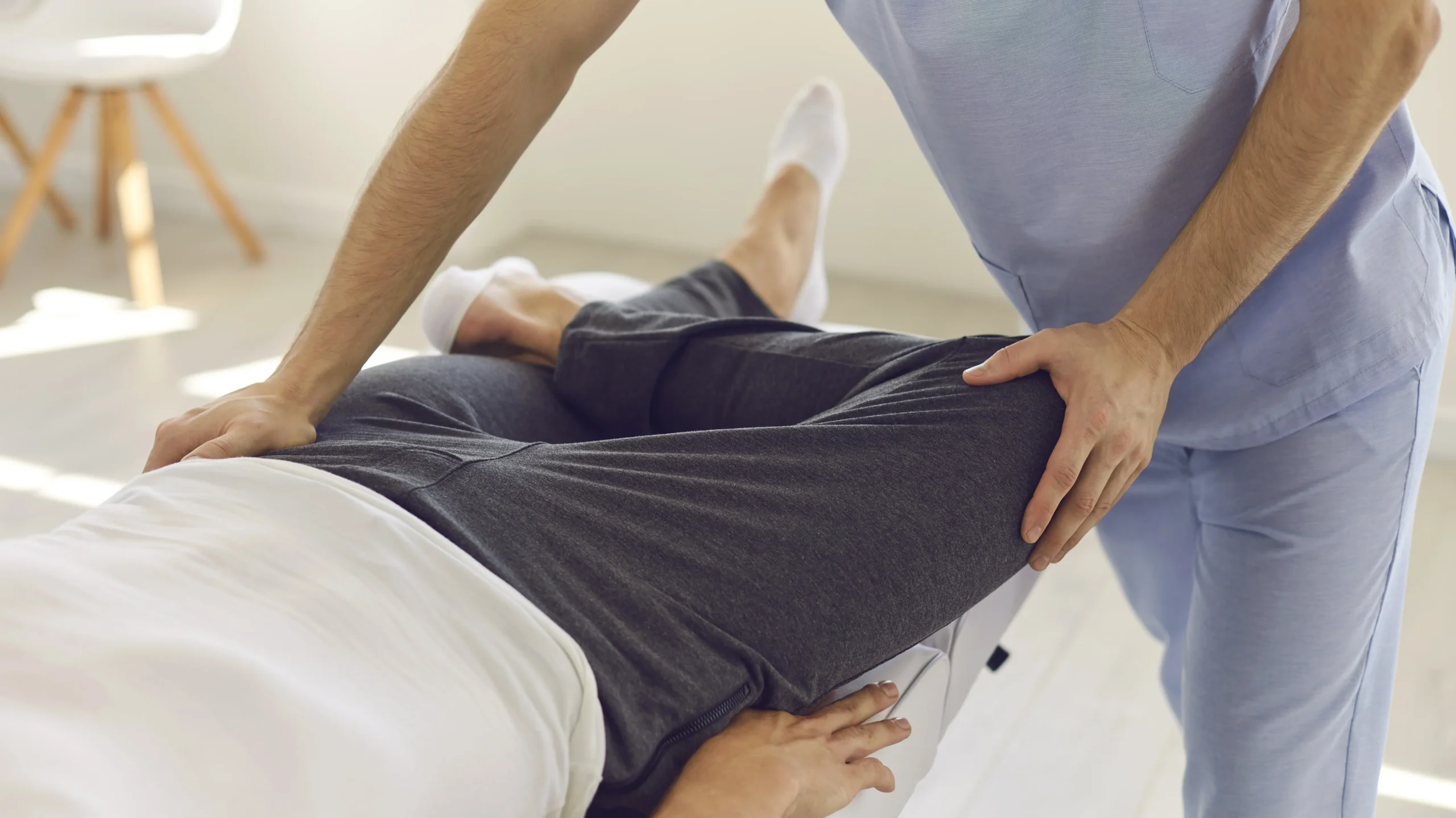
Why Kegels Aren’t Always the Answer
The Benefits of Targeted Pelvic Floor Therapy

We’ve found that when we talk about pelvic floor issues, many people immediately bring up Kegels. And we get it: they’re one of the most well-known pelvic floor exercises.
Unfortunately, they can be challenging to perform correctly, and there are many situations (such as if your pelvic floor is overall tight) where they can be counterproductive. In fact, for some people, Kegels can actually make symptoms worse!
That’s why, if you’re struggling with pelvic floor concerns, your best bet is to work with one of the pelvic floor specialists at Rising Sun Physical Therapy. We’ll craft a comprehensive program that directly addresses your concerns.
Kegels Vs. Pelvic Floor PT
About Kegels
Kegels are a popular pelvic floor exercise that involves rhythmically squeezing the pelvic floor muscles. However, they have some limitations:
- Kegels strengthen and tighten the pelvic floor, but many patients need to release or relax these muscles instead.
- Without guidance, it’s easy to engage the wrong muscles (such as your glutes or inner thighs) without properly targeting the pelvic floor.
- They don’t address the full picture. While Kegels have their uses, they don’t improve breathing patterns, posture, or core coordination, all of which affect pelvic floor function.
About Pelvic Floor Physical Therapy
In contrast, working with one of our physical therapists offers a much more comprehensive approach, helping to ensure better outcomes. We can offer:
- Muscle retraining to teach proper coordination and control.
- Manual therapy to release muscle tension and improve mobility.
- Breathwork techniques to reduce pressure and support muscle function.
- Biofeedback tools to give real-time feedback on what your pelvic muscles are doing.
- Functional movement strategies that make a difference in daily activities.
Pelvic floor issues are complex. Kegels are only one small part of a much bigger picture — and one we can help you navigate. Visit our site today to schedule an appointment.
Meet Our Team
-

Kelsey Anderson
Operations Manager -

Bettina Neumann
PT, CST, LLCC -

Simone Vienneau
PT
Exercise of the Month
BIRD DOG
Begin on hands and knees with your core engaged. Extend one arm and the opposite leg straight out, keeping your back flat. Hold briefly, return to start, and alternate sides to improve stability and balance.

.
Feel Better by Eating Better!
Mango Lassi Smoothie
Bursting with flavor and protein, this mango lassi-inspired smoothie is your go-to fuel for a busy day. Made with sweet frozen mango, rich Greek-style yogurt, and nourishing hemp seeds, it’s a creamy, energizing blend that keeps you satisfied. Enjoy it as a quick breakfast, a post-workout pick-me-up, or a refreshing anytime snack.
Ingredients
- 1 pitted dried date
- 1 cup whole milk
- ¼ cup whole-milk plain strained (Greek-style) yogurt
- 1 cup frozen mango chunks
- ¼ teaspoon ground cardamom
- 1½ tablespoons hulled hemp seeds, divided
Place 1 date, 1 cup milk, ¼ cup yogurt, 1 cup frozen mango, ¼ teaspoon cardamom, and 1 tablespoon hemp seeds in a blender. Process until smooth, about 1 minute, stopping to scrape down sides as needed.
Pour the smoothie into a glass; top with the remaining ½ tablespoon hemp seeds.
Let’s Get You Better ASAP!
Don’t let pain dictate your life. Take the first step towards reclaiming your mobility and well-being with our expert support. Start your journey to a healthier you today.