
Got Upper Back Pain?
Discover How Physical Therapy Can Help
April Newsletter
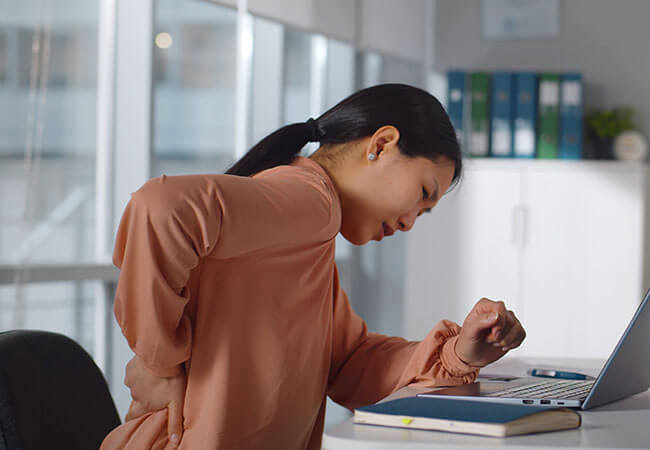
You’ve been hustling on your computer to complete a project at work, but three hours into your day, aching pain around the top part of your back makes it hard to concentrate. You shift and wriggle in your chair, trying to get comfortable, but nothing helps.
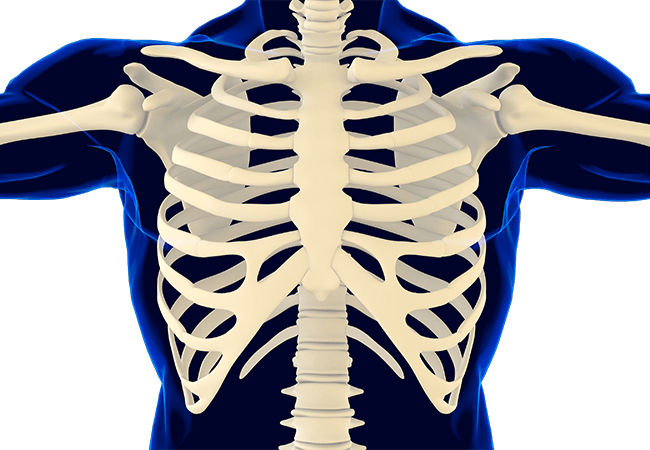
You’re likely dealing with an issue with your thoracic spine – that is, the middle part of your spine, located between your neck and lower back. Your rib cage might also be involved, as it attaches to the thoracic spine.
Pain in this part of the back gets less attention than lower back pain, even though it can contribute to pain elsewhere in your spine–or even your body as a whole. Fortunately, the team at Rising Sun Physical Therapy can help you find relief! We take a mind-body approach to physical therapy, incorporating innovative techniques and exercises to address the underlying causes of your discomfort, release patterns of tension, and help your whole body move better.
The Thoracic Spine and Rib Cage: Why They Matter
The rib cage and thoracic spine are critical components of the body, protecting vital organs and supporting the upper body’s movements.
- The thoracic spine helps your trunk to bend, straighten, rotate, and bend side to side.
- The rib cage plays a vital role in stabilizing the shoulder girdle, neck, back, and spine. It also protects the heart, lungs, and circulatory system and helps you move more efficiently, making it a crucial aspect of your day-to-day life.
If the rib cage and thoracic spine are not functioning correctly, it can lead to stress on the shoulders, pelvic floor, hips, knees, and even your feet.

Physical Therapist | Craniosacral Therapist | Lymphedema Specialist | Somatic Movement Educator | 5Rhythms® Teacher
Bettina Says:
The thoracic spine, or ribcage, is more rigid and has complex joint connections. Because of this, it often contributes to neck and lower back pain. It doesn’t move as easily, and with most of our daily activities limiting its motion, it tends to get stiff quickly. Pain might not show up in the ribcage at first, but the neck and lower back often take on extra work to compensate. This overuse can lead to discomfort or strain in those areas. That’s why keeping the ribcage mobile, well-aligned, and working in harmony with the rest of the spine is so important — and why I give it so much attention in my work.

Understanding the Causes of Upper Back Pain
Proper posture is essential in maintaining the health of your thoracic spine and rib cage. Keeping your spine in proper alignment straight prevents undue stress on the spinal joints, muscles, and ligaments. Sitting for prolonged periods, particularly in a collapsed posture, can cause various problems, including muscle tension or joint dysfunction–which is why upper back pain often develops among people with desk jobs.
Here are some of the underlying factors that can lead to pain in your mid or upper back:
- Poor posture
- Lack of strength
- Poor trunk control
- Overuse injuries
- Trauma
However, certain conditions can affect the rib cage or thoracic spine and lead to discomfort in the area. Some of these conditions include the following:
- Scoliosis (a sideways curvature of the spine)
- Kyphosis (excessive rounding of the thoracic spine)
- Herniated discs
- Degenerative disc disease
- Osteoarthritis
Issues with the thoracic spine or rib cage can significantly impact function and activity levels, reducing mobility, causing poor posture, and making daily tasks more difficult.
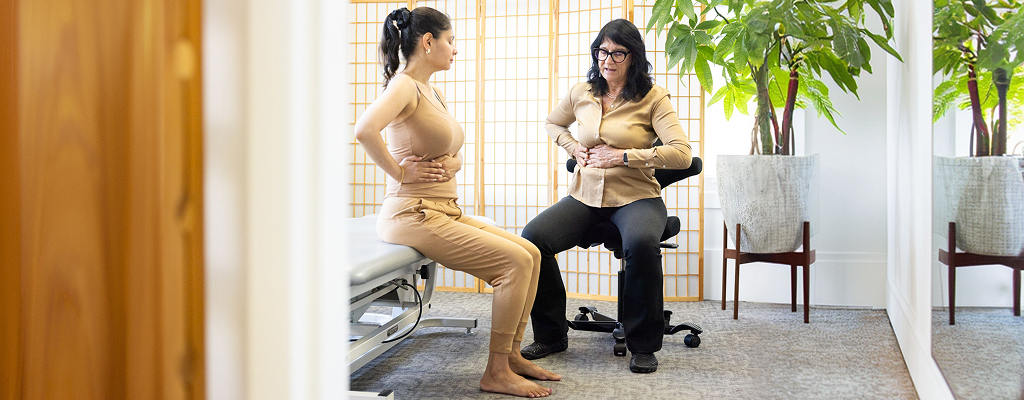
That’s why our physical therapists always take the time to thoroughly evaluate your symptoms, learn more about your lifestyle, and conduct a comprehensive movement screen to check your mobility, strength, posture, and more. All this information allows us to create a personalized care plan to help you find relief.
What Techniques Do We Use to Address Issues in the Thoracic Spine?
We pull from a wide range of different techniques to address pain in your thoracic spine, depending on the underlying cause. Here are just a few of the techniques we might suggest:
Manual Therapy
We use hands-on manual therapy to restore movement and ease tension.
- Using techniques like myofascial release, spinal mobilizations, and others tailored to your specific needs, we draw on years of experience to relieve muscle tension, improve circulation, and efficiently restore mobility in the upper back.
Laser Therapy
We use deep tissue laser therapy to support healing.
- Laser therapy works by flooding the tissue with photons, which energize your cells in a process called photobiomodulation (PBM). This increases circulation to the injured area, stimulates cellular repair, and reduces pain — helping your body heal more efficiently from the inside out.
Therapeutic Exercise
We focus on restoring healthy movement patterns.
- Instead of relying on passive stretching, we use targeted flexibility exercises and teach you how to gain control over your full spine and extremities. By combining strengthening and mobility work, we address muscular imbalances and restricted areas — helping to reduce pain and prevent it from returning.
Postural Corrections
We focus on how you carry yourself through daily life.
- We bring awareness to your posture and movement habits — how you sit, stand, and move. These patterns can strain the upper back and spine over time. By improving alignment and everyday movement, we help relieve pain linked to slouching, prolonged sitting, or habitual tension.
Ergonomic Training
We help you adapt your environment to support a more mobile spine.
- Whether sitting or standing, staying in one position for too long is sedentary and can contribute to discomfort and dysfunction. We guide you in setting up your workspace to encourage natural movement and reduce awkward postures or repetitive strain. These adjustments support spinal mobility, ease tension on the nervous system, and promote lasting comfort throughout your day.
Get Started with Rising Sun Physical Therapy Today!
We take a holistic approach to addressing musculoskeletal pain, with an emphasis on preventative measures and whole-person care. We want to alleviate your pain, help you achieve optimal function, and prevent future injury.
To schedule your initial assessment, visit our website or email us at support@risingsunphysicaltherapy.com
We’re excited to help you find lasting relief!



Our Patients Get Great Results
“I worked with Simone over the last few months on a back/neck pain issue after two flare-ups that impacted my ability to sleep and work. Simone did a great job explaining the root of the issue and how each movement/stretch/strength training exercise could help treat and prevent the pain. Since I started my PT sessions, I haven’t had a single flare-up and even the low level of remaining pain has completely gone away. Simone also helped me figure out my WFH (work from home) set-up, and is generally a very nice and pleasant person so my visits were always fun and full of smiles! I feel like I came out of these sessions with the tools I need to feel confident in my ability to manage my neck/back if it flares up again, but it’s also nice to know that I have someone I can contact if I need help again later. I also want to give a shout out to Kelsey, who was extremely helpful and responsive with all my scheduling and insurance/billing related questions. Thank you Rising Sun!”
—Madeline P.
Integrative Wellness Partnership
Aurras Transformation offers a holistic approach to stress relief, using dance and natural rhythms to support your healing journey. Join our monthly New Moon Ritual and 5Rhythms Offerings and start your path to wellness.
Explore Our Offerings:

When Posture Speaks
How Stress Settles in the Body and What to Do About It
Most people think posture is about strength or standing tall — but it also reflects how your body is holding stress.
If you’ve been feeling stiff, tense, or fatigued, you’re not alone.
I recently wrote about how stress shows up in our joints, breath, and muscles — and how small, intentional movement can help.
With care,
Bettina Neumann, PT
Looking for Ongoing Stress Relief & Body Connection?
We now offer a membership program through Aurras Transformation — led by Bettina-Kira — to help you stay consistent with movement, body awareness, and nervous system support.
When it comes to long-term health, regular engagement matters. One session helps—ongoing practice transforms.
The Aurras Membership includes weekly 5Rhythms® dance classes, creative integration tools, and somatic rituals designed to release tension, prevent burnout, and build resilience over time.

Simple Ergonomic Fixes to Prevent On-the-Job Upper Back Pain
Upper back pain often develops at work, especially if you have a desk job. However, a few straightforward changes to your work habits and desk setup can make a big difference! Give these five tips a try:
1. Adjust Your Chair for Support
- Adjust the seat height so your feet rest flat on the floor, and ensure your knees are level with or slightly lower than your hips. Keep your lower back against the chair with a cushion or built-in lumbar support.
2. Position Your Monitor at Eye Level
- Raise your screen so the top is at or slightly below eye level. Keep it at arm’s length away to reduce strain on your upper back.
3. Maintain Proper Arm and Wrist Position
- Keep your elbows below a 90-degree angle and close to your body. Use a keyboard tray or wrist support to avoid awkward angles, and keep your mouse close to your keyboard to prevent overreaching.
4. Take Movement Breaks
- Set a time to remind yourself to stand up and move around every 30 minutes or so. Roll your shoulders and stretch your chest to counteract the hunching that often contributes to upper back pain.
5. Be Mindful Of Your Posture
- Maintaining postural awareness throughout the day will help keep your spine in proper alignment and minimize strain on your upper back muscles.
These small changes can make a big difference – but if you’d like more personalized guidance, schedule an appointment with Rising Sun Physical Therapy today!
Meet Our Team
-

Kelsey Anderson
Operations Manager -

Bettina Neumann
PT, CST, LLCC -

Simone Vienneau
PT
Exercise of the Month
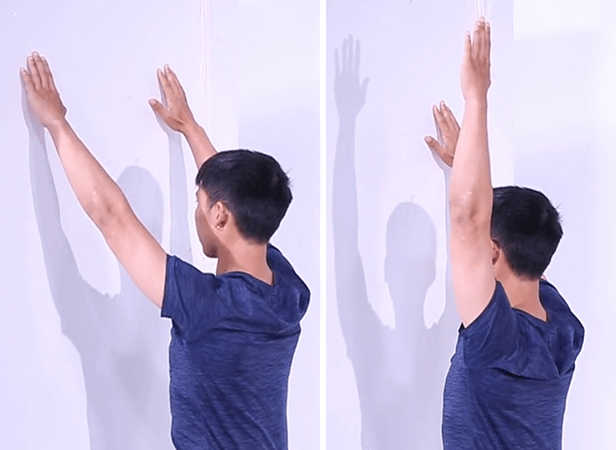
Wall Swims Thoracic Mobilization
Start by standing facing a wall with your arms raised above your head and your palms flat on the wall. Keep your back flat and slowly lift one arm off the wall at a time, pulling your shoulder blade down and back as you raise your arm. Continue alternating for 3 sets, 10 reps each.


Feel Better by Eating Better!
Stir-Fry Rice Bowl
Looking for a quick, healthy, and satisfying meal? This Stir-Fry Rice Bowl is packed with fresh vegetables, warm brown rice, and a perfectly poached egg for a deliciously balanced dish. This meal is both comforting and nutritious — perfect for a busy weeknight dinner!
Try it out and enjoy a wholesome, homemade meal.
In a large skillet, heat canola oil over medium-high heat. Add carrots, zucchini and mushrooms; cook and stir for 3-5 minutes or until carrots are crisp-tender. Add bean sprouts, spinach, water, soy sauce and chili sauce; cook and stir just until spinach is wilted. Remove from heat; keep warm.
Place 2-3 in. water in a large skillet with a high side. Bring to a boil; adjust heat to maintain a gentle simmer. Break cold eggs, 1 at a time, into a small bowl; holding bowl close to surface of water, slip egg into water.
Cook, uncovered, 3-5 minutes or until the egg whites are completely set and the yolks begin to thicken but are not hard. Using a slotted spoon, lift eggs out of water.
Serve rice in bowls; top with vegetables. Drizzle with sesame oil. Top each serving with a poached egg.
Ingredients
- 1 tablespoon canola oil
- 2 medium carrots, julienned
- 1 medium zucchini, julienned
- 1/2 cup sliced baby portobello mushrooms
- 1 cup bean sprouts
- 1 cup fresh baby spinach
- 1 tablespoon water
- 1 tablespoon reduced-sodium soy sauce
- 1 tablespoon chili garlic sauce
- 4 large eggs
- 3 cups hot cooked brown rice
- 1 teaspoon sesame oil
Let’s Get You Better ASAP!
Don’t let pain dictate your life. Take the first step towards reclaiming your mobility and well-being with our expert support. Start your journey to a healthier you today.