Stress and Pain: Separating Myth From Fact
Have you ever noticed your back pain flaring up at the end of a particularly difficult workday? You’re not imagining it! There’s a very real link between emotional stress and physical pain.
Your brain and body constantly communicate. This means your mental state often manifests in your body, affecting muscles, breathing patterns, sleep, and more. Over time, tension and an overreactive nervous system can contribute to headaches, fatigue, and lingering aches that never seem to fully go away.
Unfortunately, several myths and misconceptions about this mind-body connection persist. But at Rising Sun Physical Therapy, our team always considers the link between your mental and physical health, ensuring you get the whole-person care you need.
Three Common Myths About the Mind-Body Connection
Myth #1: “Your pain is all in your head.”
This is easily one of the most damaging myths about pain, and it reflects a misunderstanding about the link between your mental and physical states. Pain is never “all in your head,” but emotions and stress absolutely influence what happens in the body.
Essentially, stress activates the nervous system, which, in turn, triggers your fight-or-flight response. In short bursts, this is fine. But when stress lingers, your muscles tighten, and your body becomes more sensitive to discomfort.
The result? Persistent pain that doesn’t necessarily have a clear mechanical cause.
That doesn’t mean that the pain is imaginary, however. Our team can help break this cycle with personalized strategies that help lower the body’s threat response so the brain and body feel safer.
Myth #2: “If stress is affecting my body, I just need to relax.”
This advice might be well-meaning, but it can feel discouraging in practice. After all, you want to relax, and your body doesn’t seem to care!
There’s a reason for that: your nervous system. When your body already feels overwhelmed, it’s challenging for your nervous system to shift out of protective mode.
Effective stress management involves specific, proactive strategies that help regulate the nervous system and reduce pain sensitivity. One of the most effective is consistent movement. Even small amounts of physical activity can reduce muscle tension, support mood, and help the brain process pain differently.
That said, our team understands that everyone’s needs are different. We work hard to create a space where our patients feel heard and supported. That gives us the insight we need to select the best tool to enhance your overall well-being.
Myth #3: “I have to push through pain to get better.”
When it comes to pain management, many people mistakenly believe they have two options: complete rest or pushing harder. In reality, recovery usually happens somewhere in the middle.
When you ignore pain, you risk increasing irritation in the affected tissues. But when you avoid movement altogether, it can lead to muscle weakness and joint stiffness that, over time, can potentially worsen symptoms.
A better approach is to work with the Rising Sun Physical Therapy team to learn how to move in ways that support recovery. Healing shouldn’t feel intimidating, and it’s often those small, steady changes that create meaningful progress.
A Mind-Body Approach to Managing Stress and Pain
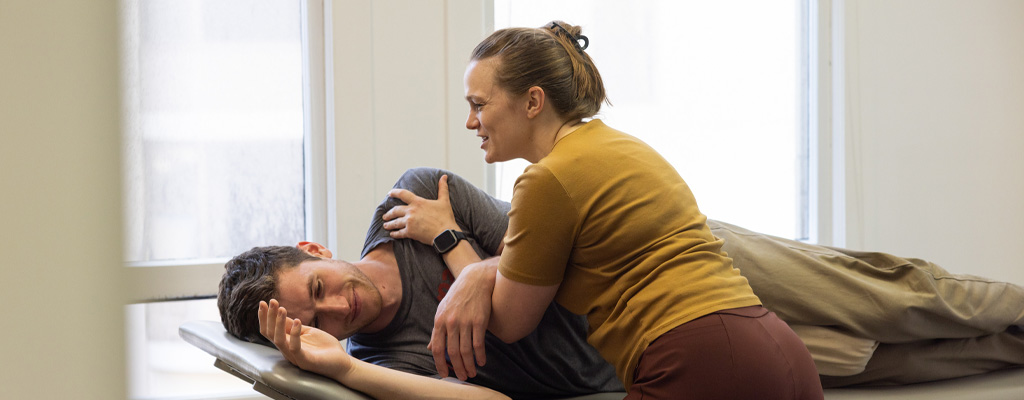
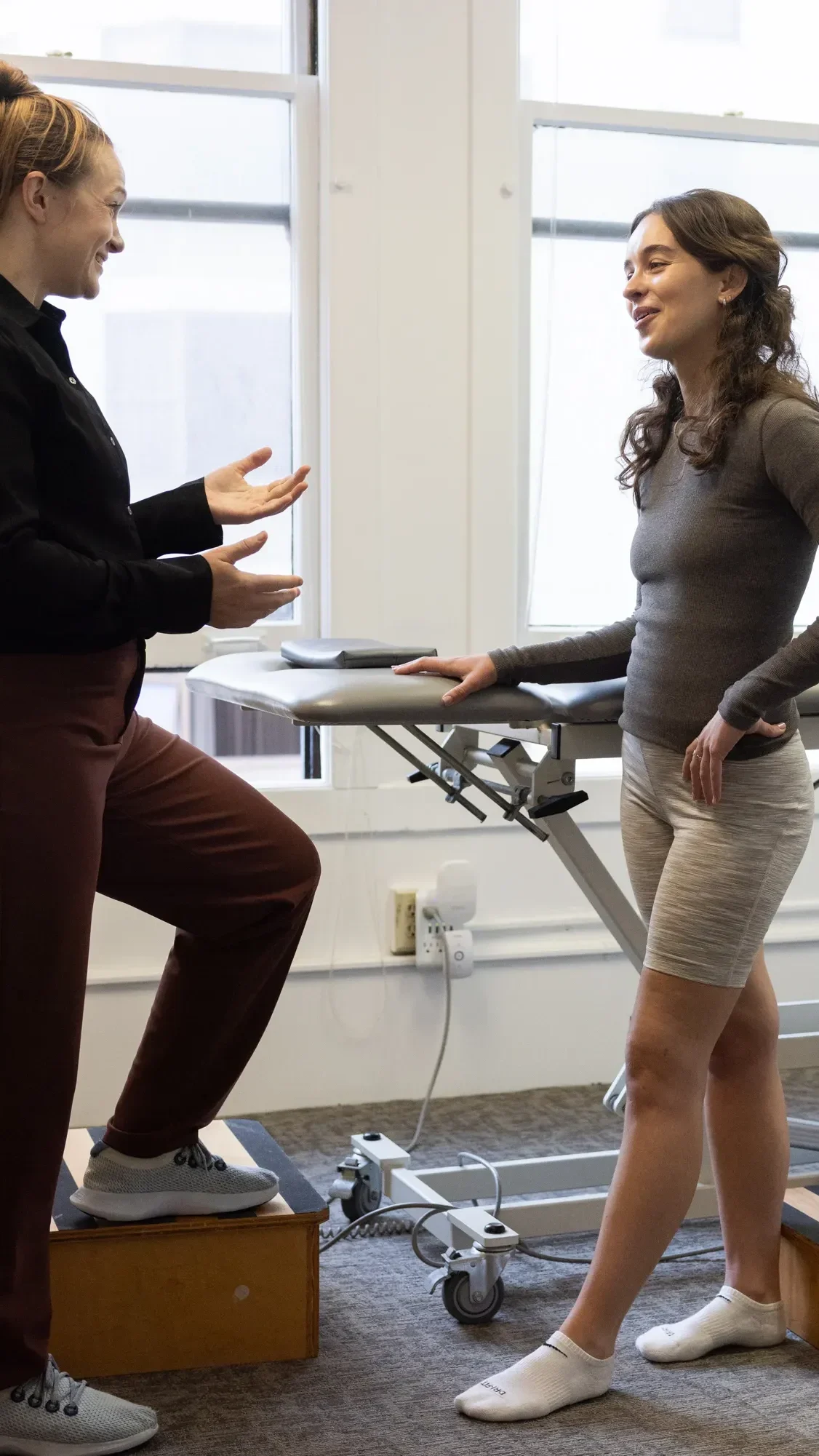
Stress and pain are deeply connected, but that connection also creates opportunity for healing. At Rising Sun Physical Therapy, we work closely with our patients to ensure we understand their entire story–not just the symptoms. This allows us to provide tailored, whole-person care that helps calm the nervous system and reduce pain sensitivity. This might involve:
- Hands-on therapy to reduce muscle tension and improve relaxation
- Guided Pilates sessions to improve body awareness
- Breathing strategies that help regulate stress responses and support relaxation
- Nervous system support techniques that help desensitize pain pathways, making the body feel safer and less reactive to pain
- Personalized exercise programs that build strength and confidence without overwhelming the body
Your Body Is Speaking. Are You Ready to Listen?
Too often, traditional approaches ask people to ignore what their body is telling them. But with the right support and movement strategies, your body can respond in powerful ways. Muscles relax. Breathing improves. Movement feels easier. And pain becomes less overwhelming.
At Rising Sun Physical Therapy, we provide a welcoming environment where you’re treated with compassion, respect, and whole-person care. We approach healing with a sense of patience and a focus on encouragement and hope, no matter your needs.
Schedule an appointment with us today to learn more about how we break the cycle of stress and pain.
Exercise of the Month
Bent Over Rows
(Upper Back, Shoulders)
Hold a weight in your hand. Slightly bend your knees and bend at your waist to bring your torso forward. Make sure your back remains flat and about parallel to the floor. Pull the weight towards you. Make sure your elbows stay close to your body. Slowly return to the starting position.
3 Sets, 10 Reps
(Materials needed: dumbbells)
How Movement Helps Calm the Nervous System
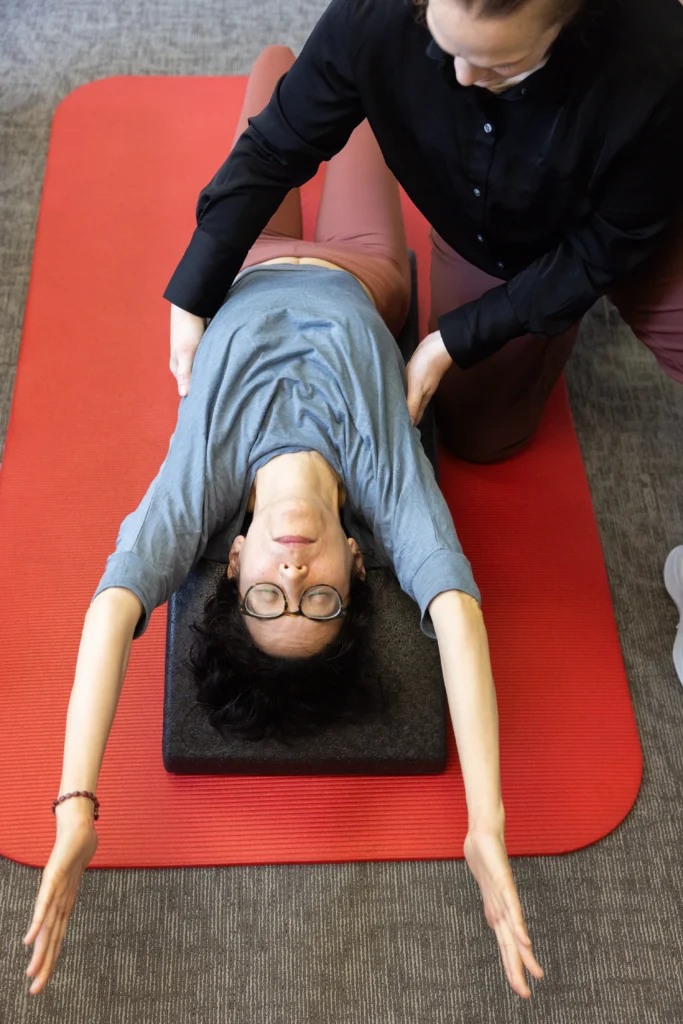
Have you ever noticed that a short walk around the block or a few minutes of easy stretches can help you feel a little lighter? It’s because even gentle movement has a direct effect on your nervous system, a fact we often apply in treatment at Rising Sun Physical Therapy.
What Happens in Your Body When Stress Takes Over
You can think of your nervous system as your body’s communication network. Among other things, it controls stress responses, muscle tension, breathing, and pain signals.
When stress builds up, the nervous system can become stuck in a protective state. Your body then becomes alert and reactive, leading to increased muscle tension and shallow, rapid breathing. Over time, this constant heightened state can contribute to lingering pain and fatigue.
Why Movement Helps Break the Cycle
Certain types of movement signal safety to the brain and body, helping reduce stress hormones and allowing your muscles to relax more naturally. We’re not talking about hardcore workouts, either! In fact, gentle movement is actually the most effective. Examples include:
- Walking
- Stretching
- Pilates
- Yoga
- Breath-focused exercise
- Mindful movement practices
Movement can also help you reconnect with your body, especially if you’ve been dealing with chronic pain. Supportive, gentle exercise helps rebuild your confidence and improve function without overwhelming your nervous system.
A Gentler Approach at Rising Sun Physical Therapy
Our team understands that when you’re living with stress and pain, high-intensity workouts aren’t necessarily the best choice for your needs. We use a blend of guided movement, hands-on therapy, and personalized breathing techniques to help create meaningful change in your health and well-being.
If stress and tension are affecting your day-to-day comfort, contact Rising Sun Physical Therapy today. We’ll help find the right movement program to meet your needs.
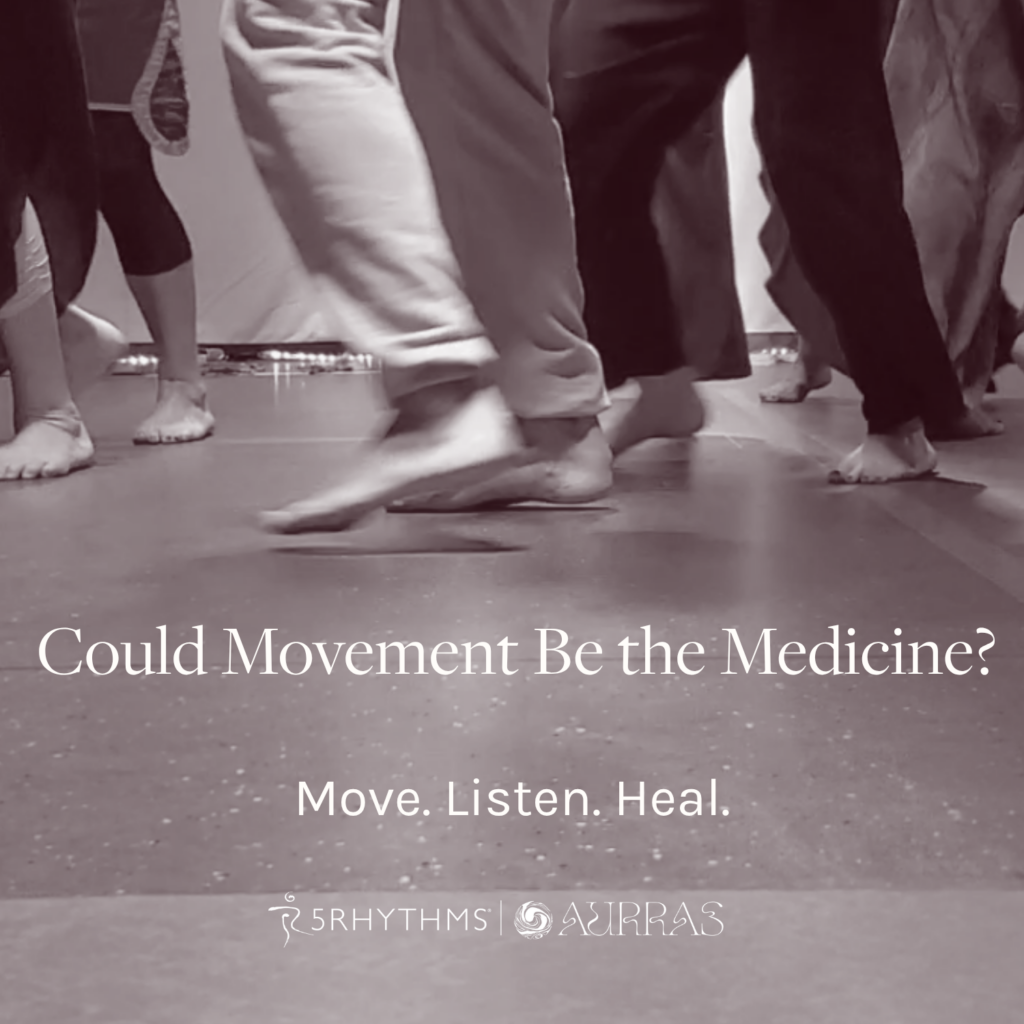
Could Movement Be The Medicine?
Many people complete physical therapy and wonder: Now what?
Aurras Waves offers a weekly space to continue the journey through movement, music, and body awareness. This 5Rhythms® practice supports stress reduction, nervous system regulation, mobility, adaptability, and a deeper connection with yourself.
No dance experience needed. Just bring your body.
Thursdays • 7:00–8:30 PM
Joe Goode Annex • San Francisco
Move. Listen. Heal.

I’m Bettina-Kira Neumann—physical therapist, somatic practitioner, and 5Rhythms® teacher. I created Aurras as a way to extend the healing work beyond the clinic and into real life.
Healthy Recipe: Quick Grilled Lemon-Herb Chicken Kebabs
Prep/Cook: 35 mins | Serves: 4

Ingredients
- 1.5 lbs chicken breast, cubed
- 2 zucchini, 1 red bell pepper, 1 red onion (all chopped into chunks)
- Marinade: 1/2 cup olive oil, 1/4 cup lemon juice, 2 minced garlic cloves, 1 tbsp each fresh oregano & parsley, salt & pepper.
- Skewers (soak if wooden)
Instructions
- Marinate: Whisk the marinade ingredients together. Set aside 1/4 cup for serving. Toss the chicken in the remaining marinade and refrigerate for 30 minutes.
- Assemble: Thread the chicken and chopped vegetables alternately onto the skewers.
- Grill: Cook on a grill or grill pan over medium-high heat (400°F) for 12–15 minutes, turning occasionally, until the chicken is cooked through.
- Serve: Drizzle the hot kebabs with the reserved 1/4 cup of marinade and serve immediately.
You’re Not Alone, Rising Sun Physical Therapy Can Help!
At Rising Sun Physical Therapy, we take a proactive, whole-body approach to keeping you healthy and pain-free. Whether you’re dealing with recurring pain or simply want to stay active and injury-free, our team is here to build a plan around your goals. Request an appointment or give us a call today!
Sources
https://www.mdpi.com/2077-0383/12/6/2245
https://www.frontiersin.org/journals/medicine/articles/10.3389/fmed.2022.828954/full