Rethinking Posture: It’s Not About Sitting Up Straight
At Rising Sun Physical Therapy, we see it all the time. Patients come to us having been told their whole lives that good posture means sitting perfectly upright, shoulders pulled back, chest lifted, and spine completely straight. And then, when maintaining that posture became uncomfortable (if not impossible) they felt they had failed.
Today, we want to set the record straight: your body was never meant to stay in one position all day, no matter how “perfect” your posture.
In fact, we now know that there is no single posture that guarantees a pain-free back or neck. Instead, movement is what helps with spine pain, not sitting up straight. That means you can stop chasing perfection and start focusing on habits that help you feel and function at your best.
Why Perfect Posture Isn’t the Goal
The human body was built to move, which is why even a posture that looks ideal can become uncomfortable if you stay there too long. Muscles, joints, and connective tissues need regular changes in position to stay healthy and comfortable.
Still not convinced? Think about how kids move throughout the day. They flop on the couch to read a book, squat down to look at a cool bug, and chase each other through the playground. In short, they’re always moving.
As adults, our bodies benefit from that same variety. Attempting to maintain a “proper” posture for hours will generally only lead to muscle tension and fatigue. You’re much better off switching things up, even if it means you might slouch occasionally.
Three Ways to a Healthy Spine (No Perfect Posture Required)
1. Small Movements Make a Big Difference
As you might expect, one of the most effective ways to support spinal health is to move more often. This also offers a wealth of benefits beyond spinal health; it can improve circulation, boost energy levels, and reduce muscle stiffness.
Moving more doesn’t mean doing high-impact workouts, either. It literally means changing your posture as often as you can. This might look like:
- Getting up from your desk every 30 to 60 minutes to move around
- Taking short walking breaks or performing gentle stretches throughout the day
- Alternating between sitting and standing when possible
2. Listen to What Your Body Is Telling You
If you still find yourself holding a single posture for too long, consider this piece of advice: discomfort is one of the clearest signals that you need a change.
Pay attention to how your body feels throughout the day. If you’re starting to feel uncomfortable, ask yourself:
- Have I been sitting too long?
- Do I need to stretch?
- Would a short walk help?
- Does my neck or shoulder feel tense?
If the answer is yes, then consider that permission to give yourself a quick movement break.
3. Build Strength for Better Support
Strong muscles in the core, hips, upper back, and shoulders help create stability and reduce unnecessary strain during daily activities. Several low-impact activities, including Pilates or daily walks, can help improve body awareness and support healthy movement patterns.
Many of our patients notice that as they become stronger and more confident in their movement, maintaining a comfortable posture becomes easier without having to think about it constantly.
Get a Helping Hand from Rising Sun Physical Therapy
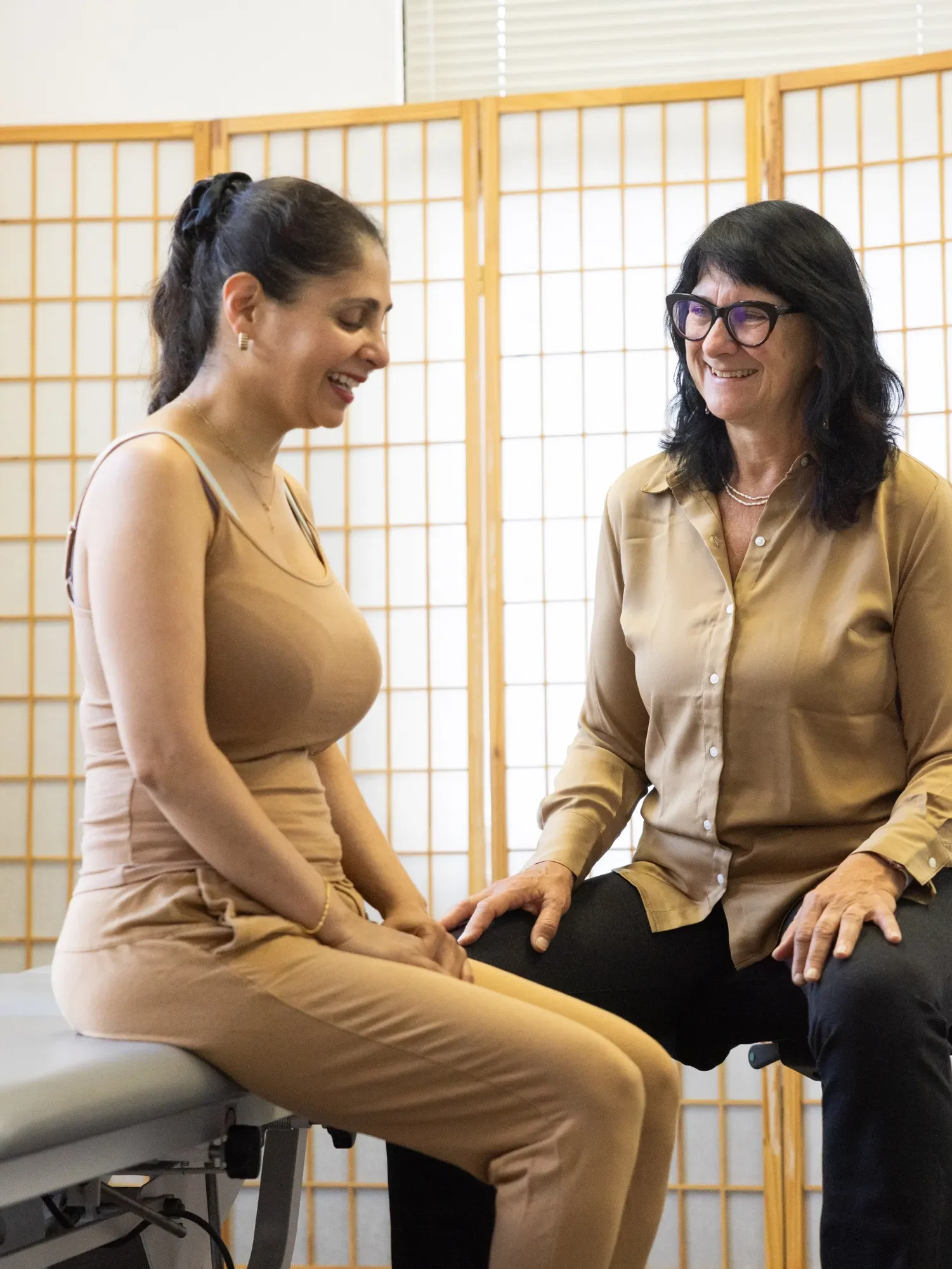
If you’re really struggling with stiffness or discomfort, our team can help you better understand your symptoms and work with you to develop a care plan that meets your goals. We offer several strategies to help you feel your best, including:
- Manual therapy to improve mobility and reduce stiffness
- Stretching programs tailored to your needs
- Therapeutic exercise to build strength and support
- Movement retraining to improve body mechanics
- Ergonomic education for work and home activities
- Pilates and movement-based wellness services that promote core-stability conditioning, strength, mobility, and body awareness
We’re not here to chide you for having “bad” posture. Rather, we want to help improve your day-to-day movements, so you don’t have to deal with persistent discomfort.
Exercise of the Month
Standing Lumbar Self Traction
(Lower Back)
Stand in front of a sturdy counter or bench about waist height. Place your hands firmly on the surface and slowly bend your knees slightly while leaning your weight into your arms. Allow your hips to drop downward, feeling a gentle stretch and decompression in your lower back. Hold the position briefly, then return to standing.
3 Sets, 30-Second Hold
(Materials needed: counter or bench)
Why Chronic Pain Requires a Different Approach
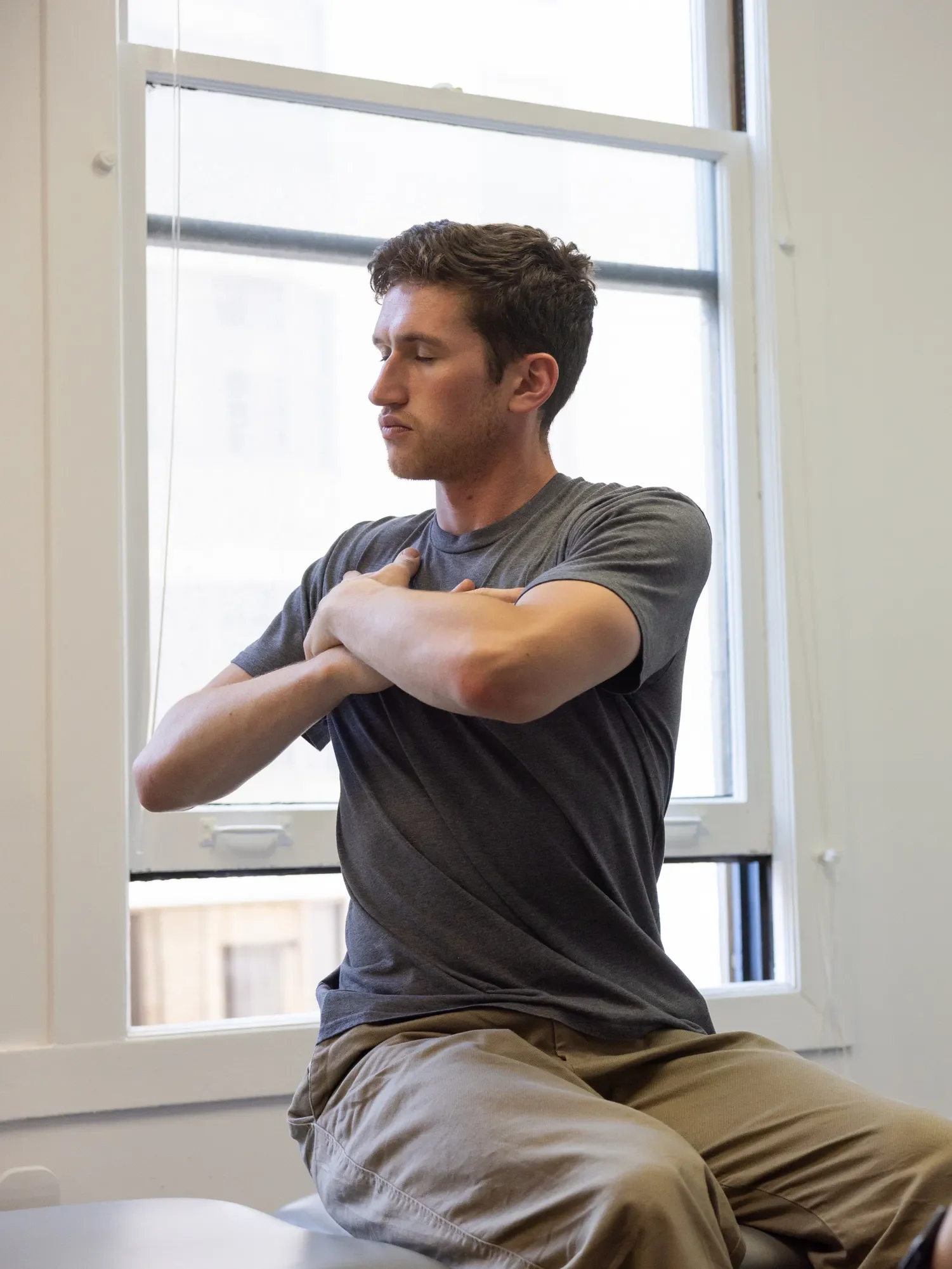
Most people understand an acute injury. You twist an ankle, strain a muscle, or fall and hurt your shoulder. The body sends pain signals to protect the injured area while tissues heal. Once they’re healed, the pain goes away.
Chronic pain works differently.
A Closer Look at the Difference
Chronic pain isn’t simply an acute injury that refuses to heal. In fact, the idea behind chronic pain is that it persists even when there’s no longer any underlying tissue damage.
So what causes it? Often, a variety of factors are at play, but one of the most significant involves the nervous system becoming more sensitive, which causes your brain to interpret ordinary sensations as painful. That’s why you can experience very real pain even if scans don’t show anything wrong.
Why Chronic Pain Requires a Different Strategy
The good news is you can build up your movement tolerance, quiet an over-reactive nervous system, and manage chronic pain. The process just looks different from managing pain from a recent injury.
Long-term pain responds best to a combination of strategies that address both the body and the nervous system. This might include:
- Manual therapy to improve comfort and movement
- Mobility training to improve movement quality
- Working to understand how pain works in the nervous system, which helps reduce the fear of movement and calms protective muscle guarding
- Therapeutic exercise appropriate to your tolerance level
- Stress management techniques that help calm the nervous system
Small Steps Can Lead to Meaningful Progress
If you’re currently living with chronic pain, know that progress is possible, even if it might take longer than injury recovery. With the right support from the team at Rising Sun Physical Therapy, you can reduce your symptoms and get back to living the life you deserve.
Your Body Wants to Move
Instead of worrying about sitting perfectly, focus on regular movement and postural variety are what truly support a healthy, resilient spine. And if pain, stiffness, or movement limitations continue to get in the way of your daily life, we’re here to help.
Contact Rising Sun Physical Therapy today to learn how our personalized approach can help you move more freely, feel better, and stay active for years to come.
Could Movement Be The Medicine?
Many people complete physical therapy and wonder: Now what?
Aurras Waves offers a weekly space to continue the journey through movement, music, and body awareness. This 5Rhythms® practice supports stress reduction, nervous system regulation, mobility, adaptability, and a deeper connection with yourself.
No dance experience needed. Just bring your body.
Thursdays • 7:00–8:30 PM
Joe Goode Annex • San Francisco
Move. Listen. Heal.


I’m Bettina-Kira Neumann—physical therapist, somatic practitioner, and 5Rhythms® teacher. I created Aurras as a way to extend the healing work beyond the clinic and into real life.
Healthy Recipe: Quick Summer Rolls & Peanut Sauce

Ingredients
- Rolls: 8 rice paper wrappers, 1 cup cooked shrimp (halved), 1 cup cooked vermicelli noodles, 2 cups mixed veggies (shredded carrots, julienned cucumber, lettuce), 1/2 cup mixed herbs (mint/cilantro).
- Sauce: 1/4 cup peanut butter, 1 tbsp soy sauce, 1 tbsp lime juice, 1 tsp honey, 1-2 tbsp warm water.
Instructions
- Sauce: Whisk all sauce ingredients together in a small bowl until smooth.
- Soften: Dip one rice paper wrapper in a shallow bowl of warm water for 10 seconds until pliable. Lay flat on a damp surface.
- Assemble: Layer a small amount of lettuce, noodles, veggies, herbs, and shrimp on the lower third of the wrapper.
- Roll: Fold the bottom edge over the filling, fold the left and right sides in, and roll up tightly. Repeat with the remaining ingredients and serve with the peanut sauce.
Progress is Just a Click or Call Away!
With the right support from the team at Rising Sun Physical Therapy, you can reduce your symptoms and get back to living the life you deserve. Request an appointment or give us a call today!
Sources
https://pmc.ncbi.nlm.nih.gov/articles/PMC11492508